


AI is becoming increasingly popular in many industries, including healthcare, finance, and security. In photography, AI is being used to improve image recognition, editing, and optimization.
In today’s world Artificial Intelligence has an affinity with photography, indeed it does have an ever-increasing impact on photography.
Understanding AI?
As a Lake District landscape photographer, it is important to understand how AI is influencing, and may continue to influence, the future of landscape photography.
AI could be used to manipulate images captured within the Cumbrian landscape, any images captured of the best photography locations in the Lake District could result in viewers who lack local knowledge being unaware that alterations have been made, potentially accepting the modified image as an authentic representation of the scene.
What is Artificial Intelligence?
Artificial Intelligence is a field of computer science that focuses on creating intelligent machines that can perform tasks that would usually require human intelligence, such as learning, reasoning, and decision-making.
AI is achieved by training computer algorithms to recognize patterns and make decisions based on data.
Smartphones and digital cameras use AI on the fly to stack exposures, reduce noise in low light, fix lens distortion, and merge multiple frames into a single sharp image
Modern mirrorless cameras use deep learning to detect eyes, faces, animals, and vehicles, locking focus onto moving subjects with high accuracy
The “Authenticity” Argument
Artificial Intelligence transforms photography by changing how images are captured, edited, and created. It acts as both a powerful technical assistant for real-world photographers and a generative tool that blurs the line between actual documentation and digital creation.
The rise of synthetic imagery has triggered an “authenticity crisis,” making it harder to trust digital documentation in journalism and forcing major photo competitions and media outlets to demand strict disclosure and labelling.
Within the last two weeks, this argument has exploded locally, when an organisation publicised two photos on social media of a local harbour pier in the North-West of England being battered by Storm Boelo.
It was claimed that these photos were captured from a drone, looking down on the pier which was being hit by huge breaking waves. (For clarity, on the day of the storm, the pier was being hit by huge waves, indeed many photographers have posted images of this on their social media platforms)
At face value there is nothing startling about this claim, the photos looked realistic, but the wind speeds during this storm were in the region of 78 mph, very high for a light-weight drone to be flying.
Then a comment on this post suggested that the photo was based on a previous version of the same photograph on a calm sunny day.
Further investigation suggested that this photo had been produced with the aid of AI.
In the end, the post including these photos was taken down, along with all the additional comments.
So, what is the reason for this apparent unhappiness, and anger against these images, which were, at face value were well composed and original photographs?
My thoughts on AI generated images is that if they are used on social media, in publications or where-ever, so long as they are confirmed as being AI generated, then this is fine.
I think the problem arises where other peoples work is being manipulated without their permission, or images are being created that do not reflect a location is causing uncertainty and a lack of trust.
It is this artifact of AI that is causing a lot of speculation, a lack of trust within the photography community, and an ever-increasing attitude of “That photograph can’t be original, it has to be AI generated”
Thus, the trust within photography is being questioned, by a larger and larger number of people, many of whom do not have any experience of photography perse.
The Test
Below are three photographs, the first one is the original version, taken by myself, the two others are not what they seem to be.
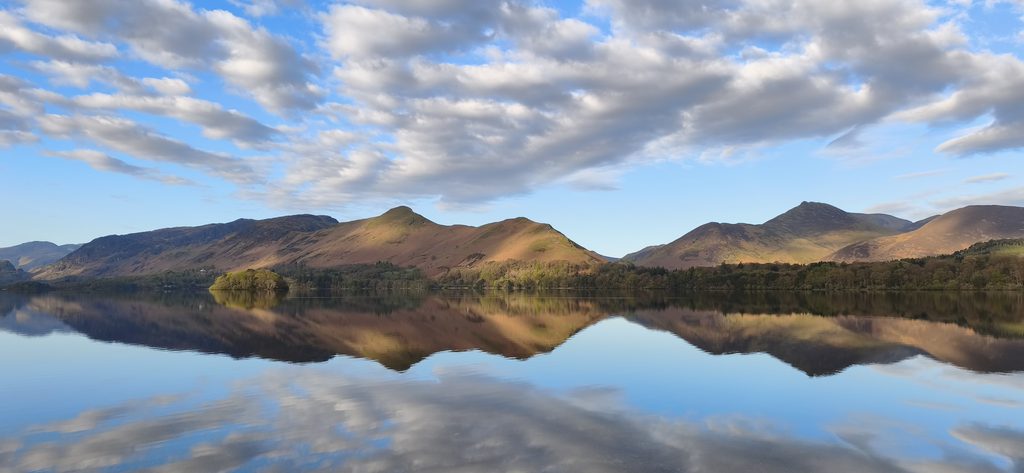
This is the original photograph, taken a while after sunrise with deep shadows, a blue sky and dappled light hitting the fells.
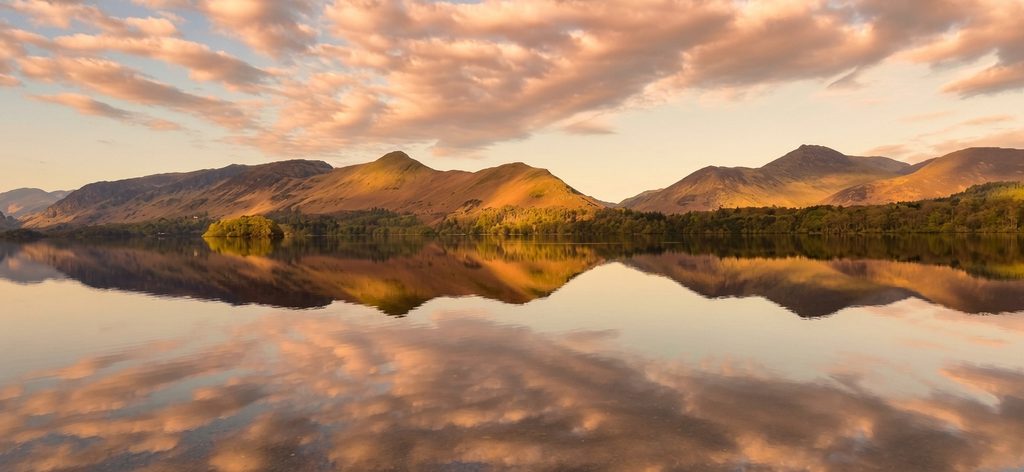
This AI created “sunrise” version looks very realistic, the light is in the right position and the colouring on the fells and in the sky could be achieved.
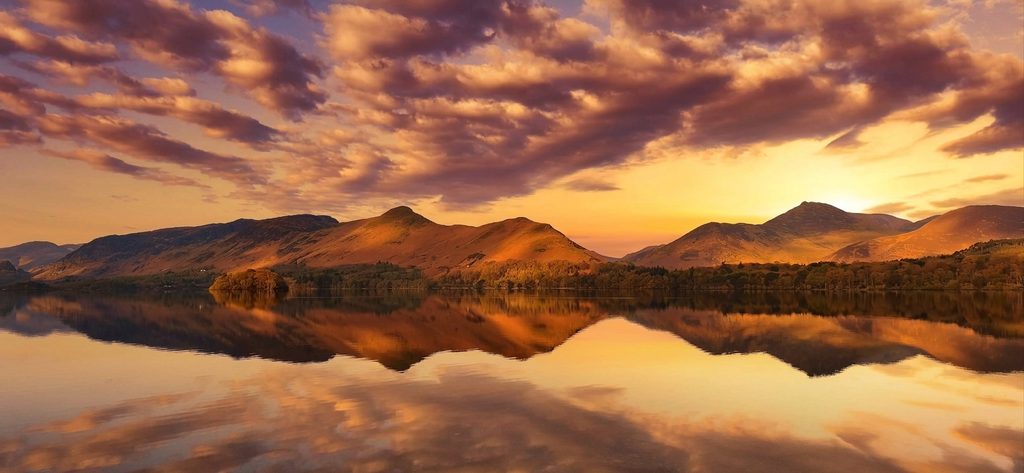
If you know this location, the AI created “sunset” version looks like a reasonable effort, even though the colouring is a heavily saturated and the clouds are really dehazed. The major issue is that during a sunset it is impossible for the light to fall on these fells as shown in the image
Would, or could you differentiate between the three images above without the written descriptions?
Examples of using AI in day-to-day legitimate photography activities.
There are several advantages of AI in photography. One of the most significant advantages is speed.
With AI-powered software, photographers can edit and optimize images in a matter of seconds, saving time and increasing productivity.
AI also improves accuracy as AI algorithms can recognize patterns and make adjustments to images that are more precise than a human could achieve. This leads to better image quality and more satisfied clients.
AI also allows photographers to focus on more creative aspects of their work. By automating tasks such as image tagging and sorting, photographers can spend more time on the creative aspects of their work, such as composition and lighting.
AI in photo editing software speeds up workflows and improves precision by automating complex or repetitive tasks
AI can instantly detect and isolate subjects, backgrounds, skies, or specific details like hair without manual brush work
Modern AI algorithms remove grain and digital noise from low-light or high-ISO RAW images while keeping fine details sharp
AI can analyse a folder of edited images to replicate a specific color-grading or editing style across large batches of photos in seconds
Automating routine adjustments like exposure balancing, white balance, cropping, and retouching lets creators spend more time on high-value creative storytelling
These benefits greatly assist the photographer in editing his or her work.
The Erosion of Photographic Truth
Generative AI is creating a deep sense of mistrust within the photography community because it fundamentally challenges the assumption that a photograph is a record of reality.
For nearly two centuries, photography has been relied upon as a tool for documentation, journalism, and capturing genuine human moments. The rise of hyper-realistic AI-generated imagery has disrupted this foundational trust.
Photographers fear that the public will stop believing that a powerful image actually happened in the real world
Traditional photography requires waiting for the right light, traveling to locations, and mastering physical gear. AI allows anyone to generate a flawless “photograph” in seconds, which many feel cheapens the craft.
Another example, a little extreme but it demonstrates what can be produced by AI!
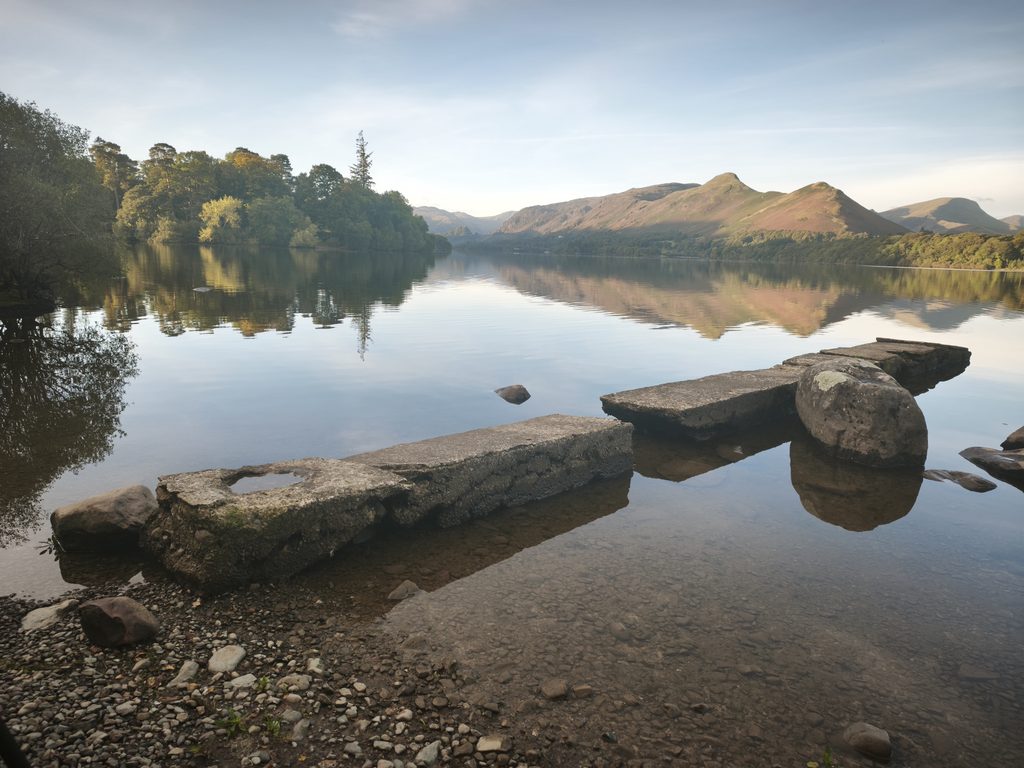
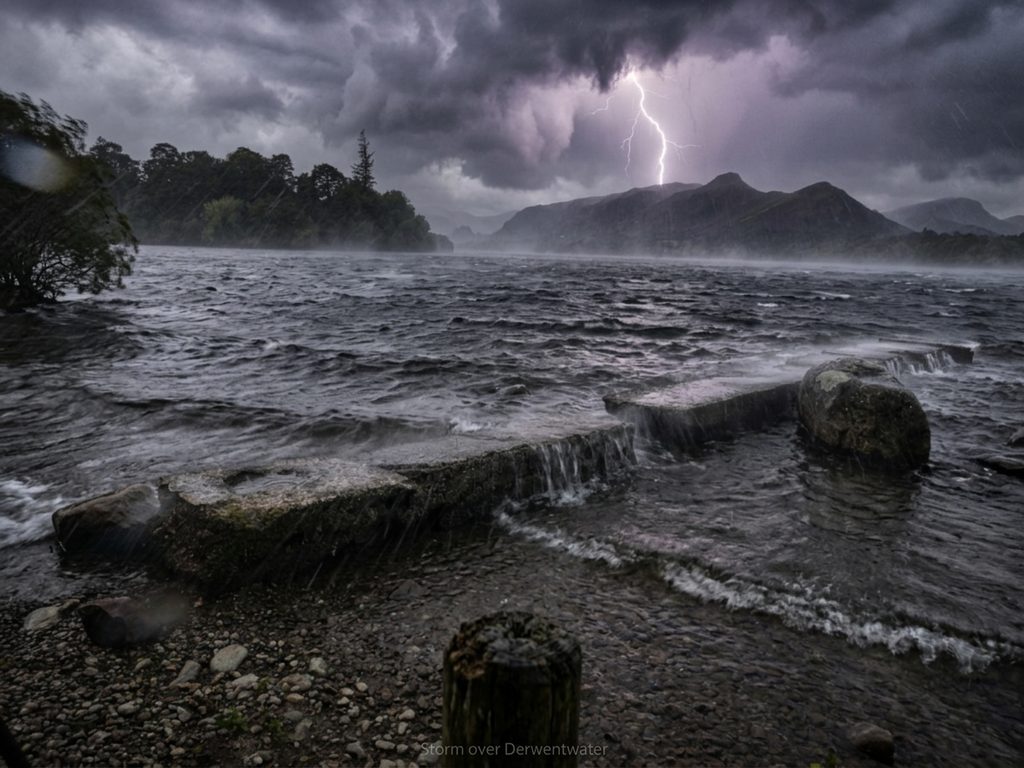
The AI image in this instance appears extreme, probably due to the lightening bolt and very heavy sky, but if you take this away from the image does it then become realistic?
How does photography come to understand and accept AI?
Just as photographers panicked when Adobe Photoshop launched in 1990—calling it the “death of photography”—the industry has largely accepted AI as an extension of digital darkroom work.
Human photography relies on real-world flaws, weathered textures, and organic atmosphere. AI tends to smooth over chaos and grit, which has led critics and photographers to value authentic, imperfect human storytelling even more sharply
Where does AI fit within Photography going forwards?
Artificial Intelligence is no longer just an experimental tool in photography; it is becoming the foundational infrastructure for how images are captured, edited, and managed. Going forward, AI sits at the intersection of automation and artistic control, shifting the photographer’s role from a technical operator to a high-level creative director.
In-Camera and Computational Capture AI is heavily integrated into the hardware layer, making it easier to capture technically perfect files under challenging conditions.
Predictive Autofocus: Modern cameras use AI trained on deep learning datasets to instantly recognize, track, and predict the movement of specific subjects (e.g., matching human eyes, animals, vehicles, and insects).
Smart Exposure and Metering: Cameras use scene-recognition AI to analyse lighting environments in real-time, optimizing dynamic range and suppressing noise before the shutter button is even fully pressed.
Upscaling and Low-Light Enhancement: Sensor-level AI algorithms can instantly reduce digital noise in high-ISO settings and reconstruct missing details, effectively giving smaller or older sensors the capabilities of larger formats.
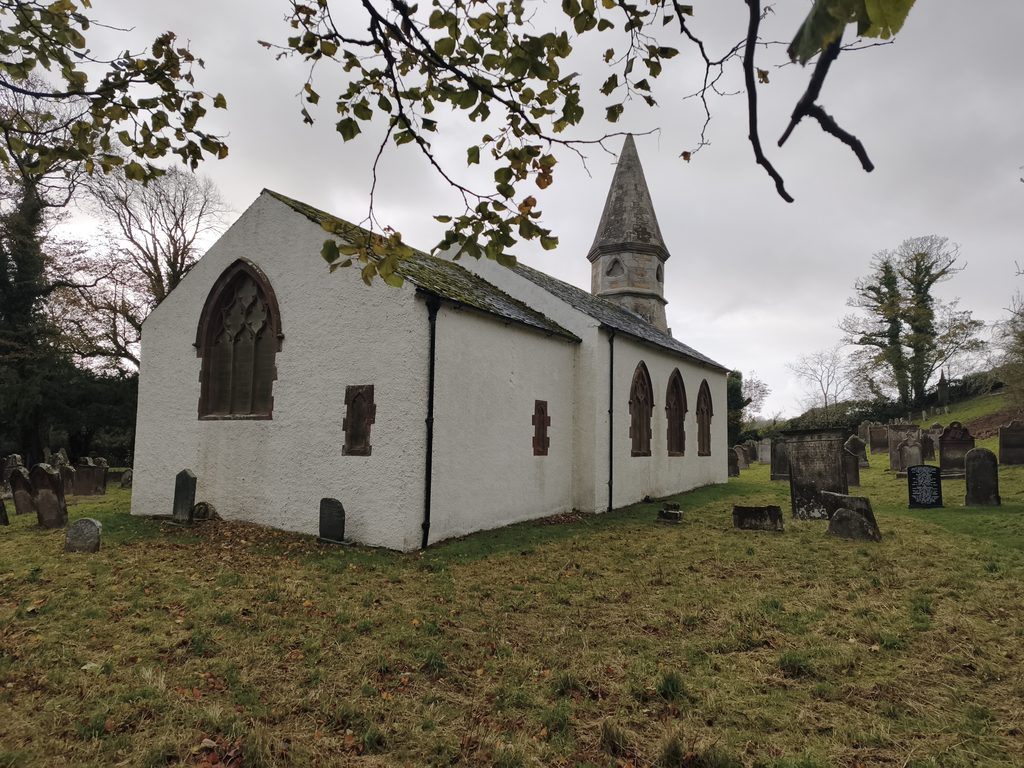
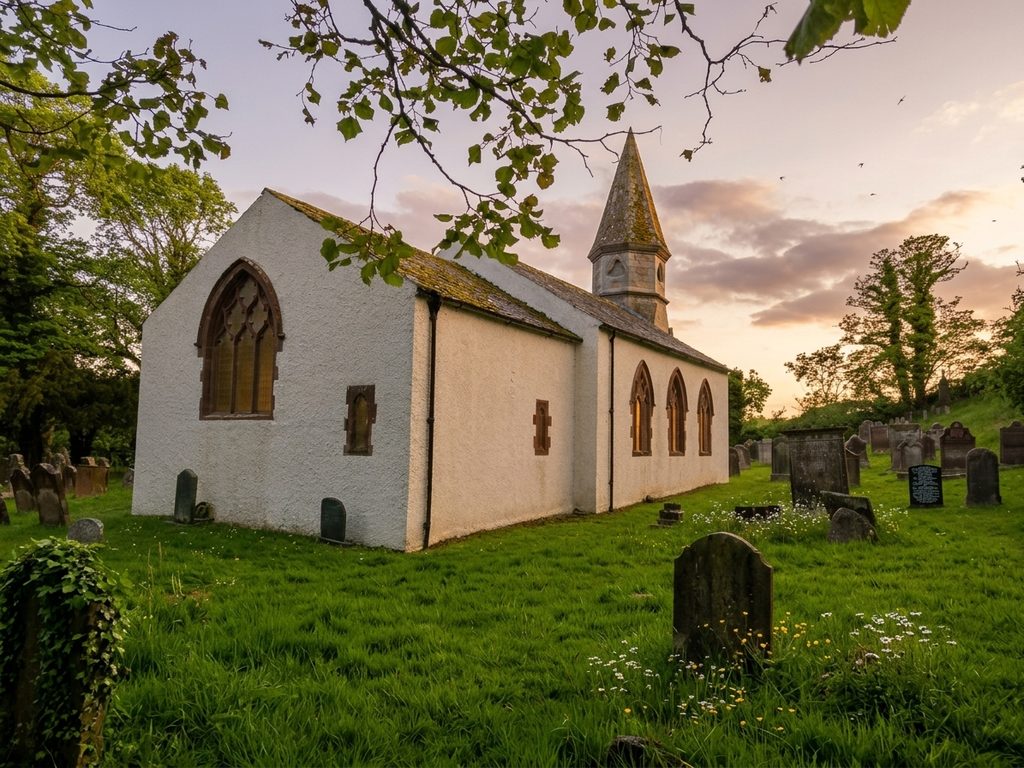
I think you will agree, this AI image looks very realistic.
My Conclusion on this complex Topic
For what it is worth, my thoughts on this complex and forever-changing subject are that, we, as photographers need to be honest and transparent with AI images, if they are AI created, declare this and the doubts will melt away immediately.
The problem will however continue to be hotly discussed has the world becomes flooded with more and more AI generated images.
In the meantime, as an Cumbrian Landscape Photographer, I will continue to ply my trade, get out into the Landscape, whatever the weather, pressing that shutter button in the hope that I can record that unique, special and pleasing photograph.
Where this takes us, is the 6-million-dollar question.
Do you have any thoughts, experiences or involvement in AI photography, if so, why not leave a comment below?
Thank you for reading my latest blog post, and your continued support of my website.
