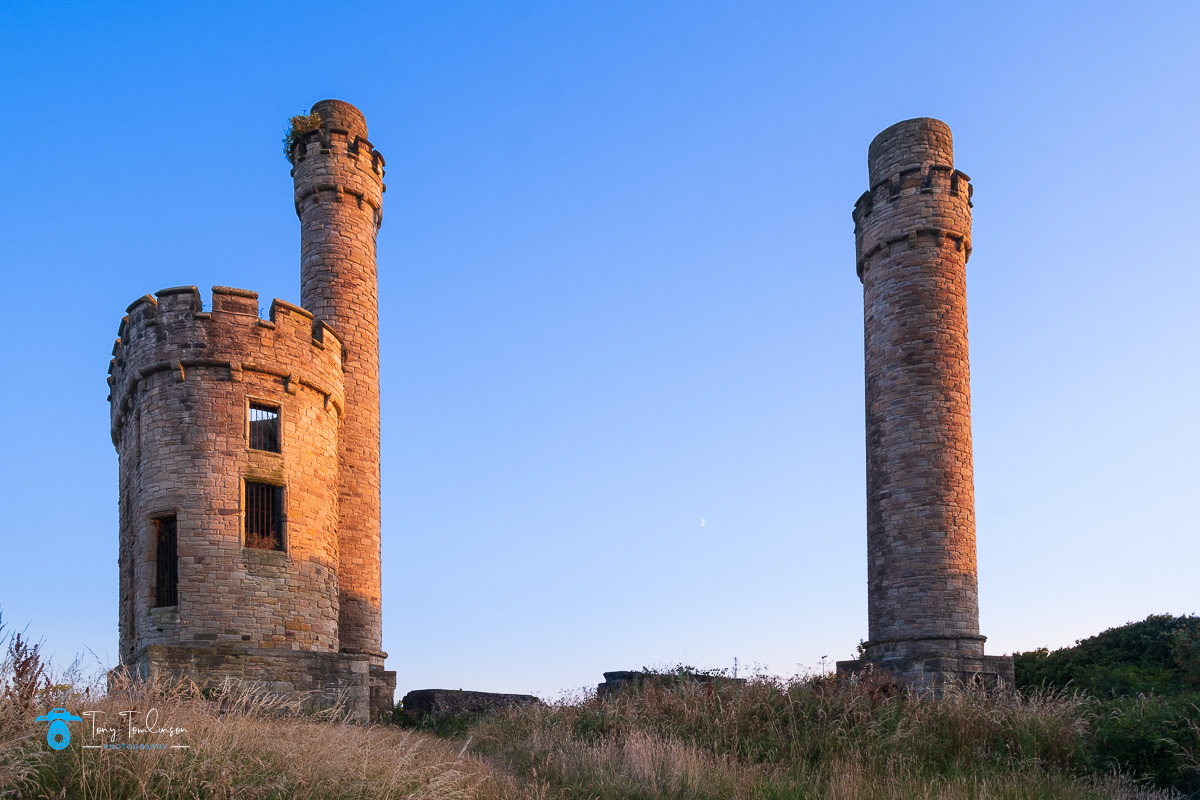
A Lake District Photographer, light is the essential, creative element in photography, acting as both the source of illumination and the primary tool for creating mood, depth, and texture.
Controlling light through natural or artificial sources determines the subject’s prominence, contrast, and overall atmosphere.
Understanding Light
To fully appreciate the importance of light in photography, even in the best photography locations in the Lake District, it is important to have a basic understanding of how light works.
Light is a form of energy that travels in waves, when light waves enter the human eye or a camera lens, where the brightness and colour are interpreted to create an image.
It is the perception of light waves that creates a picture.
Light is the most essential component of photography, but the fun doesn’t have to stop when the sun goes down, portable flash, speedlights (small portable flash units), or studio flash (larger, mains powered light units) can be used to create both soft and hard light under stringently controlled conditions.
Light defines the photograph through intensity, this can be either hard or soft light, the direction of the light upon the subject, and colour temperature of the light.
Soft and/or Hard Light.
Soft light can be categorised as being gentle and/or diffused light creating subtle shadows, often found on cloudy days or using soft boxes/diffusers in a studio environment these are ideal for flattering portraits.
Hard light is normally created by direct, intense light which creates harsh, defined shadows, this great for high-contrast, dramatic scenes.
Using the direction of light in your photographs:
Front Light, this normally Illuminates the subject evenly, minimizing shadows but can produce flat images.
Side Light this highlights texture and creates drama by illuminating one side of the subject.
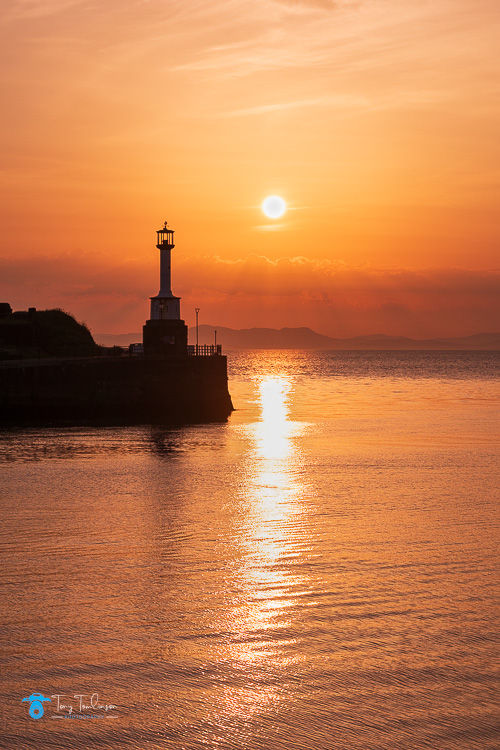
Back Light is when the light source is positioned behind the subject, creating silhouettes or a glowing “rim light” effect that separates the subject from the background.
More than one direction of light can be used to illuminate the subject, this is normally used in studio photography where is easier to accurately set-up and control the different light sources to create the image that the photographer is looking to achieve.
Light Temperature
Light temperature can be measured in different ways; the Kelvin range uses a number value to a given temperature colour.
Colour temperature can also be changed using a slider/dial where the range can be aligned from the blue to yellow spectrum, as you move the slider/dial the temperature within the image changes according to the direction you are moving the slider/dial.
 Examples of colour temperature are the golden hour, this would be rated a “warm” (yellow end of the colour spectrum) colour temperature, but an ice or snow scene would be rated as being “cold” (blue end of the colour spectrum) colour temperature.
A Lake District sunrise photograph would produce a “warm” colour temperature image, alternatively a Lake district winter photograph would produce a “cold” colour temperature image.
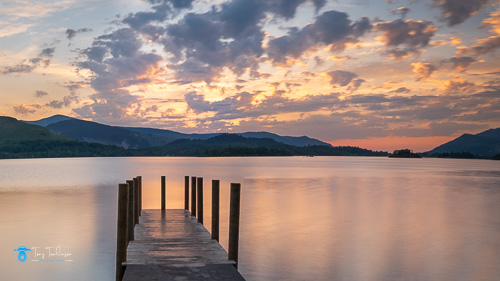
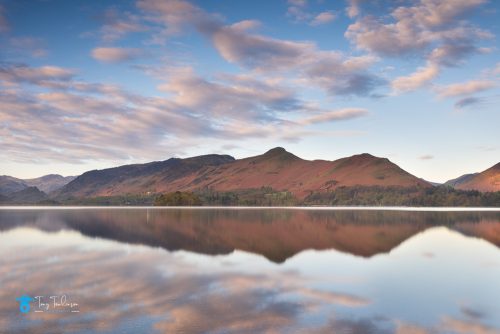
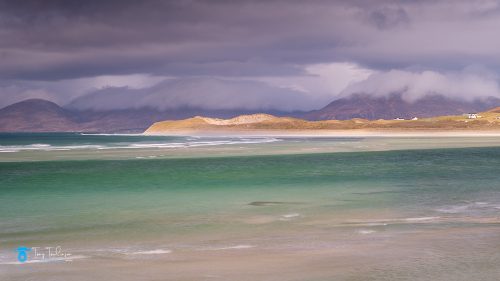
The following series of images are shot from the same location, but at different times to demonstrate the differing colour temperatures within the image.
A “Blue Hour” (pre-sunrise) photograph, shot at 4.54 am in the UK summer. This produces a predominantly “cold” or blue image.
Practical Tips for Managing Light
Time of Day, midday light is often harsh, while morning and afternoon offer warmer, softer light.
Modify the light by using reflectors to bounce light into shadows or diffusers to soften harsh sunlight.
Light Painting is where a moving light source is used during long exposures to illuminate specific areas of a scene, or create a light “trail”
The Role of Light in Photography
The way you use light in your photographs can greatly impact the overall look and feel of the image.
Light creates shadows, highlights, and contrast which can add depth and ambience to your photographs.
You should learn to experiment with the placing of light or move your subject around to see how the changing light impacts upon your subject; this can dramatically impact the look and feel of an image.
Sunrise produces a neutral colour temperature the image contains more “warmer” colours, but still has some “colder” tones within it. This image was captured at 5.14 am in the UK summer.
The Roll of Exposure in Photography
Another important aspect of using light in photography is exposure.
The exposure settings on your camera will dictate the amount of light that enters the camera and hits the camera sensor.
A proper exposure is essential for creating well-lit photographs that accurately capture the subject.
Techniques for using light in Photography
You can be as creative as you wish when experimenting with light but there are several techniques that are most effective when lighting your subject.
One technique is to use reflectors to bounce light onto your subject, this can help to fill in shadows and create an evenly dispersed lighting effect.
Another technique is to use a diffuser to soften harsh light, a diffuser can help to create a more natural-looking effect by spreading out the light and softening the intensity of shadows.
You can also experiment with different types of lighting to create different moods in your photographs.
Warm light can create a cosy and inviting atmosphere, while cool light can create a more clinical or sterile feel.
Another important technique to consider is the use of artificial lighting, studio lighting can help you to create a controlled lighting environment that allows you to highlight specific elements of your subject.
Tips for Using Light in Different Situations
Using light effectively in photography can be challenging in different situations, here are some tips for using light in different situations:
Outdoor photography:
When shooting outdoors, it’s important to pay attention to the direction and quality of the light. Early morning and late afternoon light can create a warm and inviting atmosphere, while midday light can be harsh and unflattering.
Try shooting in the shade or using a diffuser to soften harsh light.
By following these points, you are well on the way to produce images that will be suitable for landscape photography prints
Post sunrise produces a much warmer colour temperature the image contains mostly “warmer” colours. This image was captured at 5.59 am in the UK summer.
Indoor Photography:
Indoor photography shoots generally require artificial lighting; there are numerous options available to create your own studio so try experimenting with different types of lighting.
Reflectors, soft boxes, or light diffusers are a helpful tool when attempting to bounce light onto your subject.
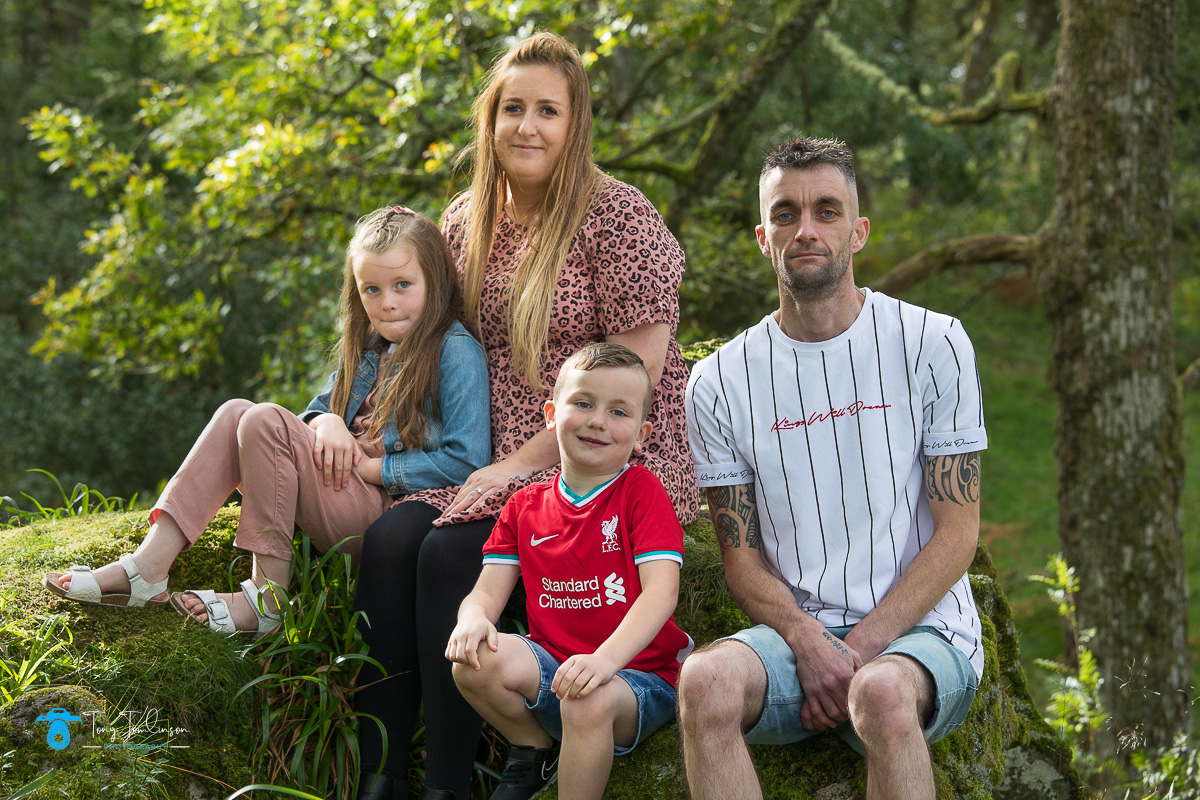
As a family photographer in Cumbria, these actions are always assessed before and during a shoot to ensure the best possible results are obtained.
Portrait Photography:
When shooting portraits, the subject’s face is usually the focal point and the area that needs most attention.
Here, side lighting can create dramatic shadows, while front lighting can create a drab and unflattering look.
If the aim is to create a natural effect, a diffuser will soften any harsh light, any outdoor family photoshoot in the Lake District would embody these considerations.
Landscape Photography:
When shooting landscapes, the direction and quality of light will differ at different times of the day.
Early morning and late afternoon light can create a warm and soft atmosphere, while midday light can be overly severe, try using a polarising filter to reduce glare and create more vibrant colours.
You can use light to create depth and dimension where light can create long shadows and interesting highlights, this can add another dimension to photos and create additional depth.
Try experimenting with different lighting angles and intensities and observe how shadows and highlights behave as you move and adjust.
Conclusion
The importance of lighting in photography cannot be overstated, lighting is central to all photography and once you have a strong understanding of techniques and light quality, there is no stopping you from creating stunning images.
Thank you for finding the time to read this article, if you have any questions relating to “light” please get in touch.
Today’s adventures began with a little lie-in, breakfast was at 7 am, then a visit to another local beach to our cottages.
Geodh Mhartainn is a coastal cove or inlet located on the west coast of the Isle of Harris in the Outer Hebrides, which is known for its dramatic, rocky scenery and views over the Sound of Taransay.
We arrived at the beach, to find that the wind had lost none of its ferociousness overnight, but it was creating the huge waves that were battering the shoreline.
I concentrated on trying to capture the waves as they crashed over the rocks and headland at this beach, I found it easier to set the camera on a fast shutter speed and fire blocks of shots off as the waves arrived.
This causes a lot of photos being rejected but gives you more chance of catching the ideal image from the block of images.
Geodh Mhartainn Seascape
I then spent a little time trying to capture a wave as it broke further out from the shore, I was not that successful at this, but I did capture a couple of reasonable images
A powerful breaking wave
The problem of keeping the camera dry rose again, only this time the spray was coming form the breaking waves, this spray being salt water, so I sheltered the camera all the time as best I could and kept one drying cloth to had to wipe the camera at very regular intervals.
After a couple of hours on this beach, we loaded up the minibus to head for the Golden Road.
The Golden Road
The extreme bends of the Isle of Harris’s Golden Road tend to keep traffic to a minimum on this winding single track route through some of Harris’s rocky East Coast.
The road starts at Meabhag nam Bhaigh, before rejoining the main East Coast Road at Leacali.
It’s widely assumed it got its name because of the construction cost – If it cost that much then it must be made of gold! – but like much island folklore that is disputed.
Local historian, Bill Lawson says the name officially relates to the first sealed road in Harris, built in the years after World War Two, as a safety measure after many accidents as people waded across rivers to get home.
What it lacks in traffic it makes up for in scenery and wildlife. There is a wide range of birdlife to spot, and even seals basking on the rocks of the coast. Supposedly the views are better from the south (something else that splits opinions).
The environment along this road on the eastern side of the Island is very different for the west coast, extremely rocky, with a moon-like view.
The road is very undulating, one bend blends into another, and one change in elevation immediately meets another, not ideal conditions to travel if you have a dislike of undulating roads.
Soraya Photography Studio
We stopped off at the Soraya Photography Studio, a local woman who is an extraordinary wedding photographer and has on display some exceptional fine art prints for sale in her studio, these were for sale at reasonable prices.
From here we travelled the short distance for the studio to photograph a derelict house on a little cove, the rusty corrugated roof making a nice comparison against the blue of the sea and sky and the green of the surrounding vegetation.
The ruined Old House on the Golden Road
St Clements Church
End elevation of St Clements Church
St Clements Church is found on the southern end of the Island and a place that I have visited the last time that me and Carole visited the Islands.
The church was built for the Chiefs of the MacLeod’s of Harris, who lived in Dunvegan Castle in Skye, probably from about 1520, and is not considered the first church on the site although there is no clear evidence of an older Celtic church.
It was a Catholic church before falling into disuse shortly after its completion around 1560 as a consequence of the reformation, but the churchyard continued to be used as a MacLeod burial site.
The church’s decayed roof was renewed in 1784 by Captain Alexander MacLeod of Berneray but burned down shortly after and had to be rebuilt once again in 1787.
In the 19th century it was used as a cow byre before being restored by Catherine Herbert Countess of Dunmore in 1873, and in 1913, the tower was rebuilt after being damaged by a lightning strike six years earlier.
In 1528, Alasdair Crotach MacLeod, the 8th Chief, prepared for himself a magnificent wall tomb on the south side of the choir – possibly the finest medieval wall tomb in Scotland, being crowned by an arch and ornated by carvings of biblical design.
The 9th Chief, Alasadair or Alexander’s son William, had his grave prepared in the south wall of the nave in 1539.
In the south transept, there is a third grave probably belonging to John MacLeod of Minginish, the 10th Chief.
There are five more grave slabs leaning against the wall of the north transept. The graveyard surrounding the church contains several MacLeod tombs.
Quite an history lesson for a church that is so remote.
St Clements Church
From the Church, we travelled around the southern end of the Isle of Harris, stopping off to have a look at the ferry terminal to Leverburgh for a look around the harbour.
Sgarasta Mhor Beach
We ended up here as there were a group of photographers at the Northton Salt Marshes, so rather than wait around, Dean brought us to the Sgarasta Mhor Beach to photograph the beach from within the sand dunes.
You would not have thought that this was the same beach that we had visited earlier in the week, today, the sun was shining, but still bitterly cold, and the wind was still battering us.
I got into the sand dunes and began looking for a composition using the sand shapes and forms as foreground but being able to include the headland as the background.
The view across Sgarasta Mhor Beach
After a couple of hours here, were retraced our rout back to the Northton Salt Marshes.
Northton Salt Marsh
From her we visited the Northton Salt Marshes, this is a well-known photography location which is beside the road, parking being the issue, it is a drive quite a way along the road to park, then retreat to the Salt Marsh on foot.
The photo opportunities are restricted to a couple of the small islands that are accessible for the shore as the water ways are deep and have a layer of thick claggy mud in the bottom of them, making them virtually impossible to navigate unless you have something to bridge the gaps between to small islands.
Northton Salt Flats
From the Salt Marshes, we headed for Luskentyre Beach, even though the clouds were gathering and the wind was picking up.
Luskentyre Beach
By the time we arrived at the car park at Luskentyre the weather gods had become angry, light drizzle in the air that was being driven by the strong winds.
We duly had a bit of a chat to see who wanted to shoot what, I wanted to try and get some atmospheric shots from the beach looking towards the Lewis mountains.
Others wanted to look for patterns I the sand at the northern end of the beach.
One I was exposed on the beach, the full force of the wind was battering me, again I was getting sandblasted, and it was getting everywhere.
I did manage to get a decent shot that I wanted of the mountains on Lewis and even sneaked a photo looking towards the Isle of Taransay, which meant turning into the head wind, which was carrying sand and rain.
Luskentyre Beach with the dark patterns in the sandThe Isle of Taransay from Luskentyre Beach
As the weather looked like it was in for the day the joint decision was to return to the cottage, get the equipment cleaned, and then for us to get showered, changed and have a leisurely late afternoon before our evening meal.
Day 6 of the Photography Workshop
Day six began with a early alarm and breakfast as we were again heading up the Isle of Lewis, this time to Bosta Beach on the Isle of Berneray on the Northwestern edge of the Isle of Lewis.
Another lengthy road journey to get us to Bosta Beach, but before that we crossed the bridge onto the Isle of Berneray, this was surprisingly short and there were two bridges side by side, apparently the old bridge was falling into disrepair, so the new one was built next to it.
Bosta Beach.
Bosta Beach was approached by walking over a small headland, then getting absolutely battered by the onshore wind.
From here you could see the bay and the Sea Bell just offshore. The tide was covering the bottom of the bell which made it more photographic.
Offshore were the small islands of Flodaigh and Bearasaigh, these forming the backdrop when photographing the sea bell from this viewpoint.
Bosta Bell
I found this location very different and enjoyable to photograph, but once I got home this enjoyment was short lived as most of my photos that I took from the headland was not sharp, probably due to the bloody wind on the day.
I then went down onto the beach to try and photograph the incoming waves but using a slightly slower shutter speed to add some movement into the sea.
Breaking Waves at Bosta Beach
After a couple of enjoyable hours at Bosta Beach we retraced our route back towards the bridge onto the Island.
Berneray Old Bothy
We stopped just before the bridge to photograph a series of Bothy ruins next to the sea, (above) apparently there used to be a small ferry which crossed the estuary at this point before the bridges were built.
Kneep Harbour
Our next location was to be Kneep Harbour, a small historical island harbour on a small sea inlet.
We arrived to fishermen attending to their nest and carrying out some work on one of the fishing boats,
An old fishing boat perched high up on the slipway got my attention, I set out to take a photo of this boat but capturing the background so as to tell a story of the scene.
The old fishing boat at Kneep Harbour
I then found a sole lobsterpot on some grass, the brightly coloured ropes on the pot contrasted against the grass on which it was sitting.
Kneep Harbour lobster pot
Kneep Beach
A short journey along the road got us to the lovely Kneep Beach, another gorgeous sandy beach with turquoise coloured water lapping up to it, and the island of Pabaigh Mor and Vacsay offshore.
It was here that I took some of my best photos of the whole trip, in sunny but cold conditions, and still be battered by the strong winds.
Kneep Beach
Dean then took us to the high interior of the Isle of Lewis to drive along the original track to Stornoway where we would find a selection of the old bothies.
The Sheilings
This area is named “the Sheilings”, a shieling is a little hut or cottage in the moors used in the summertime by the women and children who took the animals out, or by the people who worked the land, be it, Peet cutters, fishermen, and suchlike,
When photographing the wide selectin of buildings, I wanted to emphasise the remoteness and isolation of these buildings.
Some were actual ruins, but others looked as though they were complete which could be used.
More Sheilings, this time with a bright red door.
When we finished here, it was 4.45pm, so time for the long journey back to the cottages on the Isle of Harris, thus ending day 6 adventures.
Day 7 of the Photography Workshop
Day 7 began with another pre-breakfast session, this time at the nearby Sgarasta Beach at which we hoped to get a decent sunrise opportunity.
Dean again drove us the short distance to the off-load point.
Sgarasta Beach Sunrise
The plan was this morning we would end to the north end of the beach to revisit the little burn that we had been too a couple of days before, hoping to get some sunrise light this time.
Disappointingly, the sunrise was a none-event, but this did not stop me from getting some lovely atmospheric images from here.
An early morning photo across Sgarasta Mhor Beach
An enjoyable session followed by another hearty cooked breakfast provided by Sally.
Once breakfast was devoured, and we were all ready, it was off on our journeys for the last days photography.
This morning we were heading to a new location for me, a place called Huisinis, found in the northwest corner of Harris.
It was going to be over an hour’s travelling to get there, but we were soon stopped at the Seilebost Viewpoint as the conditions were sublime.
Seilebost Viewpoint
As we headed over the headland, the sight in front of us was exceptional, the early morning light was hitting the full width of waves heading towards the expanses of sand, we simply had to photography this scene,
We jumped out of the minibus, gabbed the camera to hand hold the camera for this series of photos that I took
Patterned waves at Seilebost
From here we headed to Huisinis
Huisinis Beach
As we pulled up in the car park, which was right on the beach front, we were surprised to see a lovely large hut/shed at the end of the car park, I had to go and take a look around this, what could it be?
The Huisinis Gateway Building, a cafe and toilet facility
There were a group of photographers on the beach in the place where Dean was taking us too, so he suggested that we head over the small headland where there are other photo opportunities of the sea and the small island of Scarp.
This is where me, George and Phillipe headed, there was a small ramp where fishing boats would be launched into the sea, a few small buildings, probably fishermen’s huts.
There was a fishing boat positioned on the slipway, so I captured a long exposure of this, and the long exposure flattening out the water’s surface.
PHOTO of fishing boat on slipway
I then saw a bothy on the Island of Scarp but positioned on a small headland, I took a series of shots of this.
Isle of Scarp, house on headland
I then positioned myself above a small rocky cove with the island of Scarp in the background. I experimented with a wide selection of shutter speeds to obtain different effects of the water.
Hushinish Peninsula Cove
From here me and George scrambled further around the bay to look for other compositions, what we found was a series of small cliffs and boulders that went into the sea, the waves were smashing into these which made for a nice composition, and there was a wrecked boat higher up on the cliffs, this had to be included in the photo!
Once me and George had taken all the shots we needed, we headed back to the others on the other side of the headland, all told, I got some interesting photos from here.
We retreated to the gateway building to tuck into our packed lunches, defiantly the best place we ate our lunches all week.
It was here that Dean offered us all a “free” afternoon, i.e. we could go to the place we wanted too (within reason) from where he would pick us up later in the afternoon.
The consensus was that Luskentyre was the place where we all would like to visit, as Scalpay (my selection) was not practicable due to the 50-minute walk to reach the location, then the same return time, this would severely reduce the time at the location.
Luskentyre Beach
Dean duly dropped us off at the car park at Luskentyre Beach from where he would collect us in two hours’ time.
Dave decided not to take up this offer and headed back to the cottage for the afternoon, meanwhile George and Phillipe again headed to the north of the beach, whilst I headed to the highest sand dune to investigate form there.
I was soon dragging myself along the dune ridgeline, then up to the top of the highest sand dune. This took some effort, trying to fight my way through the soft sand on the incline was far form easy, and I will be honest, I nearly threw the towel in.
Was the effort worth it, well once I got my breath back and surveyed the views, yes, defiantly, it was.
Looking down from the highest sand dune on Luskentyre
The height of the sand dune was surprising; it provided a very unique view of the surrounding area.
I also took a series of long exposure shots when looking out over the sea towards the mountains of Lewis.
Luskentyre Viewpoint from the highest sand dune
Once I was happy with this images that I captured, I decided to walk down to a lower sand dune to look at the compositions that this would provide, again experiencing very deep and loose sand whilst getting to this location.
I found some interesting patterns in the sand whilst walking this route, at first, I could not understand how they had been created, but then I realised that they were formed by the wind blowing the tall strands of grass around in the sand.
Patterns in the sand caused by the wind blowing the grasses.
Once in position on the lowered level of sand dunes, I shot through the Maran grass to create a very close foreground.
From upon High, waves crashing onto the beach
Checking the time, I was surprised to see that Dean would be returning in 30 minutes to collect us, so I began the long trek back to the carpark.
This curtailed the photography for the last full days photography of the workshop.
We headed back to the cottages for the final time, where we would cleanup, and pack our belongings for the following days departure.
When our evening meal was finished, we chatted on how we thought the week had gone, and what we had liked, and was there anything we were not happy with.
It was here that Phillipe explained that he was being collected by taxi at 6am the following morning to catch his flight from Stornoway to Glasgow, and from there to Belgium.
Dave was catching the ferry from Leverburgh to Berneray to continue his photography on the Outer Hebrides for another three days.
Meanwhile George was travelling with Dean to get back to Inverness from where he would be travelling to Northumbria for another photography workshop, before heading home to Australia at Easter, and Sally would be following Dean in her own vehicle.
This meant that four of us were catching the same ferry from Tarbet to Uig in the morning.
Chatting to Dave about the nightmare of travelling through Glasgow, he suggested that I return via Sterling, this would mean me missing the roadworks, with not allot of time added to my overall travel time.
Day 8: Homeward Bound
The day started with a hearty cooked breakfast, then the vehicles were loaded up and the rooms cleaned.
Dave was the second to leave (Phillipe had left at 6am) so we said our farewells as Dean drove him down to catch his ferry to Berneray.
Once the cottages were prepped and ready, we left them to head for the ferry.
The ferry crossing was through reasonable seas, not too much motion on the ferry. As we approached Uig the car deck was opened so I said my farewells to Dean, Sally and George.
My travel plans were to get to the Green Welly Shop as quickly as possible, which I did, only to find that the restaurant was closed.
My fault, I had not realised that it was 5.40pm in the afternoon. So, I grabbed a coffee and a couple of snacks to keep me going.
As I drove towards Crainlarig, I needs to make a choice, do I stick with the Loch Lomond route, or head to Sterling as Dave had suggested.
The levels of traffic on the road from the Kyle of Lochalsh had been sparse, and I had made good progress all the way to here, so I decided to stick to the Loch Lomond route.
Once I reached the Glasgow roadworks, the traffic was still light and I got through them with very little delay, thank heavens.
Once past Glasgow it was a straight 2.5 hour run to home, this ending the 8-hour return journey.
My reflection of the trip
Once home, unpacked, and sorted, it was time to reflect on the weeks adventure.
Had the weeks photography been worth it, of course, I was more than happy with the photographs that I took, sure, some had been disappointing, spoiled by not being sharp due to the extraordinary high winds, but that is a learning experience for me.
My final thoughts on the weeks workshop are that Dean was excellent in leading us around the Isle of Harris and Lewis, he was able to change locations to suit the weather conditions and displayed a wealth of knowledge on the numerous locations we visited and passed by.
I would not hesitate to recommend one of Dean Allan photography workshops.
Thank you for finding the time to read this second article from my week’s photography exploits on the Isle of Harris and Lewis, I hope you found it interesting