


During my stay at Frederick, we visited Sugarloaf Mountain for a day’s hiking, sightseeing, and enjoyment.
Sugarloaf Mountain History
Sugarloaf Mountain is a small 1,283 feet mountain and park about 10 miles south of Frederick, Maryland.
The peak of this relatively low mountain is approximately 800 feet higher than the surrounding farmland and is visible from many parts of northern Montgomery County and southern Frederick County, notably from I-270 north of the town of Germantown.
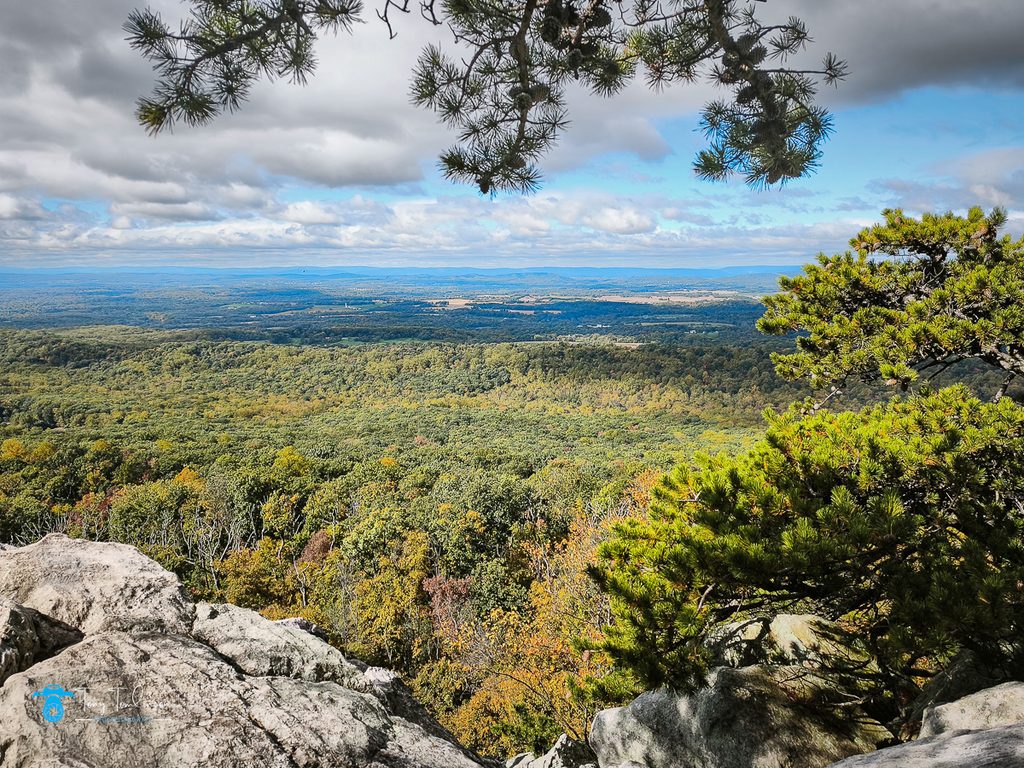
Sugarloaf came by its name because its shape reminded early hunters and pioneers of the sugar loaves common in those days.
A Swiss explorer, in 1707, sketched the earliest known map of the mountain. A written account, penned five years later, described a plain atop the mountain and the delicious chestnuts grown by the trees on its flanks.
General Braddock, commander of British troops during the French and Indian War, marched his men past the mountain in 1755. Northern and Southern forces alternated in posting lookouts at its summit during the Civil War. Brave wounded and dying soldiers were hospitalized in a log cabin that still stands at the mountain’s foot.
During the Maryland Campaign of the American Civil War in 1862, Union forces occupying the summit, which was being used as an observation and signal station, first spotted the Army of Northern Virginia on September 5 as it crossed the Potomac River into Maryland.
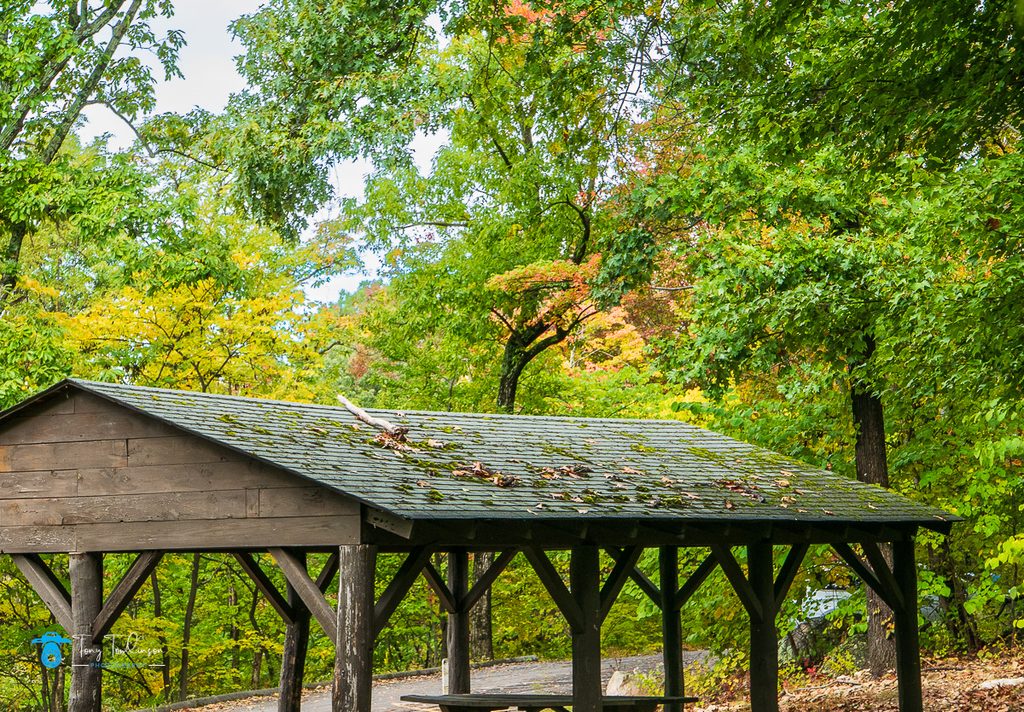
The following morning as the small Union force on the mountain began to retreat in the face of the oncoming Confederate Army, they ran into the unsuspecting 1st North Carolina Infantry and a small skirmish ensued. The Union force was able to escape, but it was later caught by Confederate cavalry at Urbana.
In the early 20th century Chicago businessman Gordon Strong bought substantial land holdings on and around the mountain
Strong set up a trust fund in 1947 that maintains a trail system and other tourist facilities at Sugarloaf Mountain. The mountain and its immediate environs continue to be open to the public, but they are privately owned by Stronghold, Incorporated.
The Strong Mansion
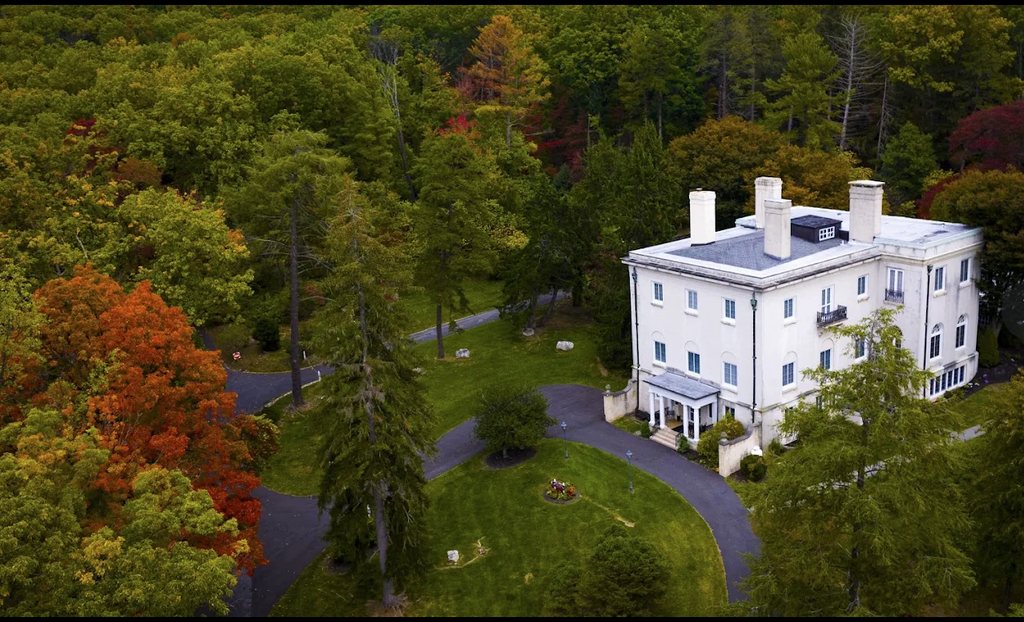
The Strong Mansion at the base of the mountain is often used for weddings and other special events, and the nearby Sugarloaf Mountain Vineyard is a popular side excursion.
The historic and refurbished Strong Mansion with formal gardens, provides a picturesque setting for weddings and social events.
The mansion is available year-round and can be the perfect backdrop for any occasion.
Sugarloaf to Camp David.
President Franklin D. Roosevelt briefly considered using Sugarloaf as his Presidential retreat, but he was persuaded by Strong to choose the nearby Shang-Ri-La site on the Catoctin Mountain, which today is known as Camp David.
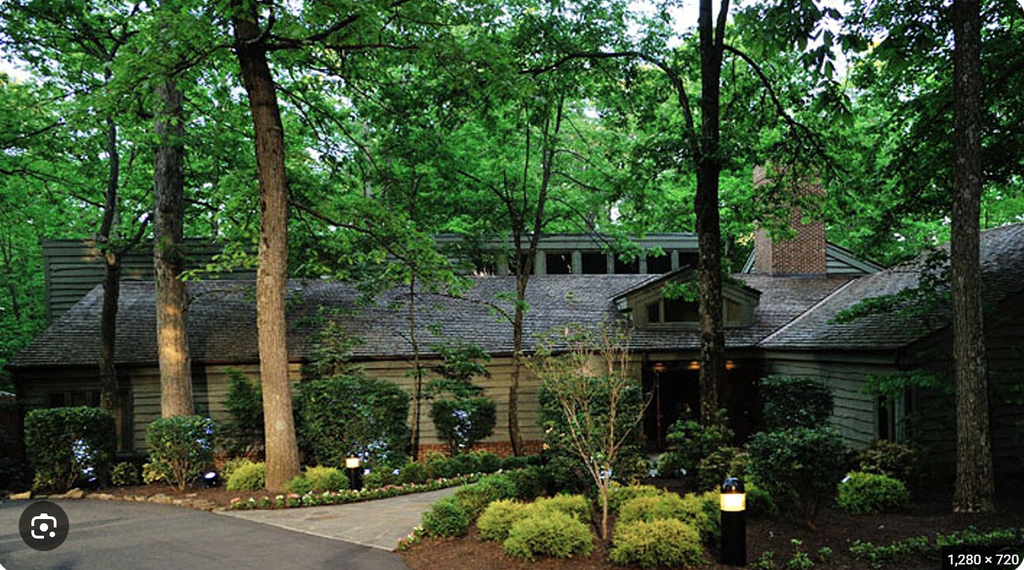
Modern day Sugarloaf Mountain.
Because of its geological and natural history interest, it was designated a National Natural Landmark in 1969.
Sugarloaf Mountain is an area tourist attraction, free of an admission charge, and open to the public.
Visitors are however encouraged to voluntarily donate $5 with activities include hiking, rock climbing, picnicking, and sightseeing.
The mountain is known to locals for its scenic views, with the Sugarloaf Mountain Trail system being a popular network of trails that link the East Face with the West Face.
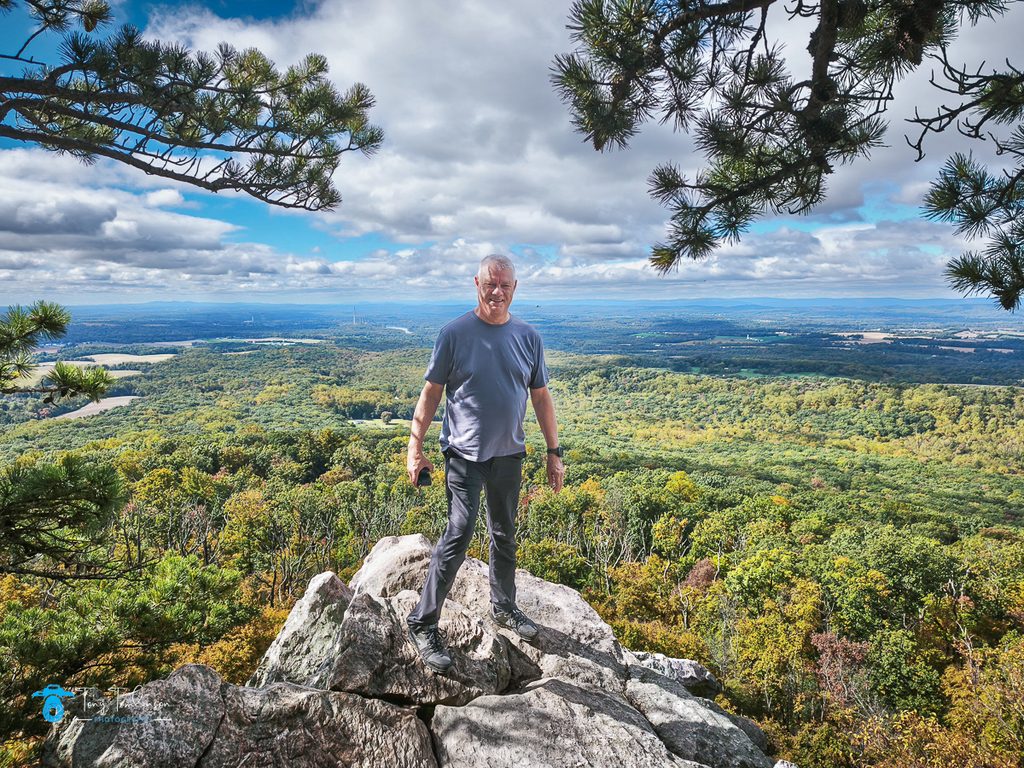
The blue trail system is popular with hikers while the yellow trail system can also be used by bikers and horseback riders at designated times of the year.
The dominant tree species on Sugarloaf are the oaks of both red and white groups, these trees are being threatened by oak decline, a result of several factors of which the introduced gypsy moth is a part.
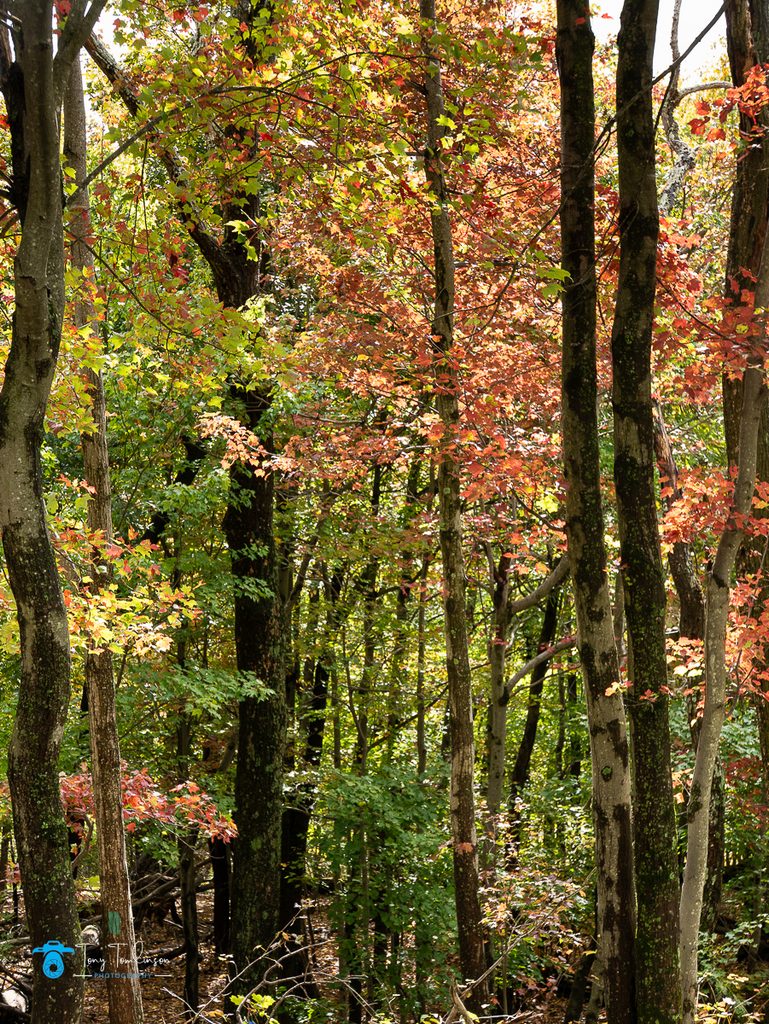
Other trees include black gum, tulip poplar, black birch and eastern hemlock. The more than 500 species of plants here include a variety of wildflowers, many of which can be found blooming during the warm weather months.
White tailed deer are abundant on and around the mountain. Other mammals include flying squirrel, red fox, black bear, coyote, eastern cottontail and raccoon. The forest birds include the great horned owl, pileated woodpecker, wild turkey and red shouldered hawk. During the spring and fall, many migratory species of songbirds can be found.
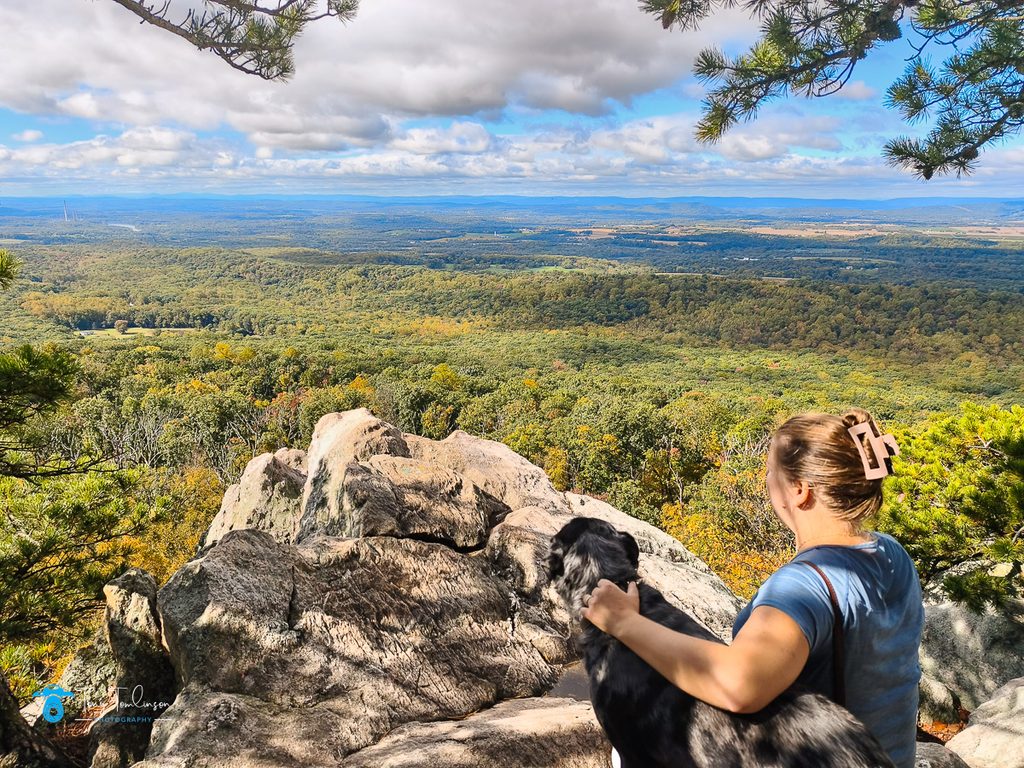
Sugarloaf’s glory days are not all in the past, it has a bright and useful future. Today it is available year-round to the public.
Present and future generations may continue to enjoy its natural beauty in all seasons and weather.
This was made possible by the vision and persistence of a remarkable couple, Gordon and Louise Strong.
For years prior to their deaths, they purposefully gained ownership of the many tracts making up the present property.
They created a private organization, Stronghold, Incorporated, in 1946, to ensure that the mountain would continue to serve their purpose of making natural beauty available to all.
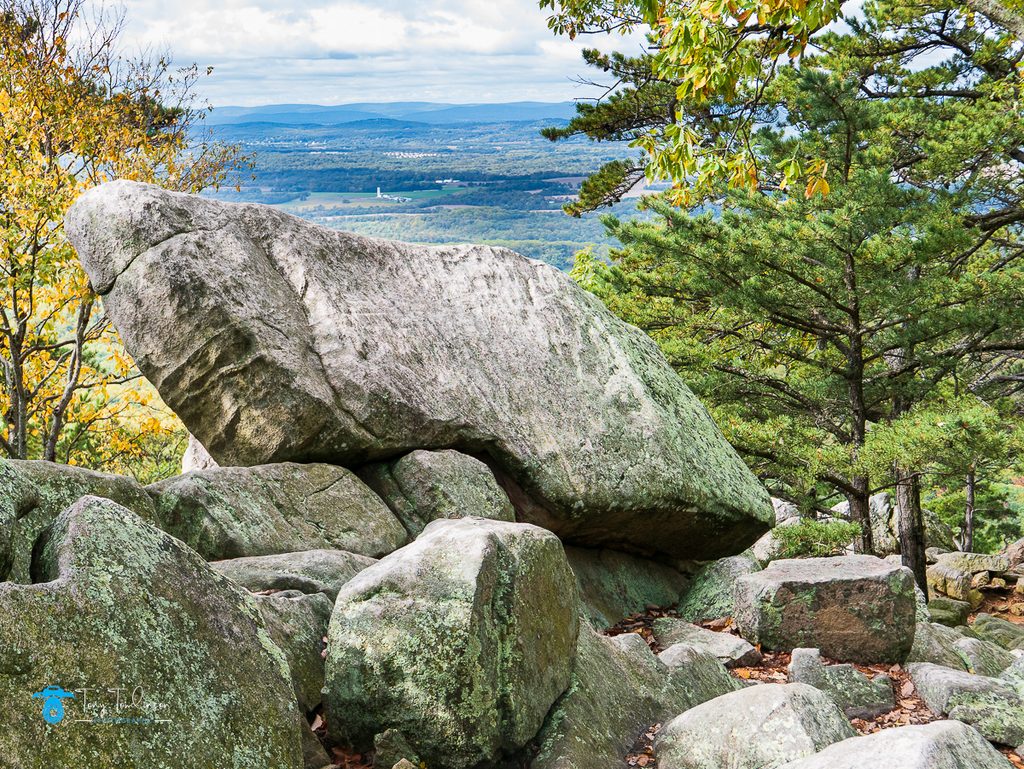
Nearly a quarter-million people visit Sugarloaf Mountain annually to enjoy its scenic vistas, to picnic at its overlooks, and to hike and ride horseback along its miles of trails.
Others come to observe and photograph its plant and animal life. Stronghold Trustees are involved in the program to restore the once-plentiful American chestnut trees, which were swept from the mountain’s flanks by an alien blight in the early 1900’s.
Sugarloaf Mountain Vineyard
Sugarloaf Mountain Vineyard is located in Dickerson, Maryland and has been open to the public since 2006.
Known for its award-winning Bordeaux-style wines and red barn, silo and windmill the Vineyard is located about a mile from the base of Sugarloaf Mountain.
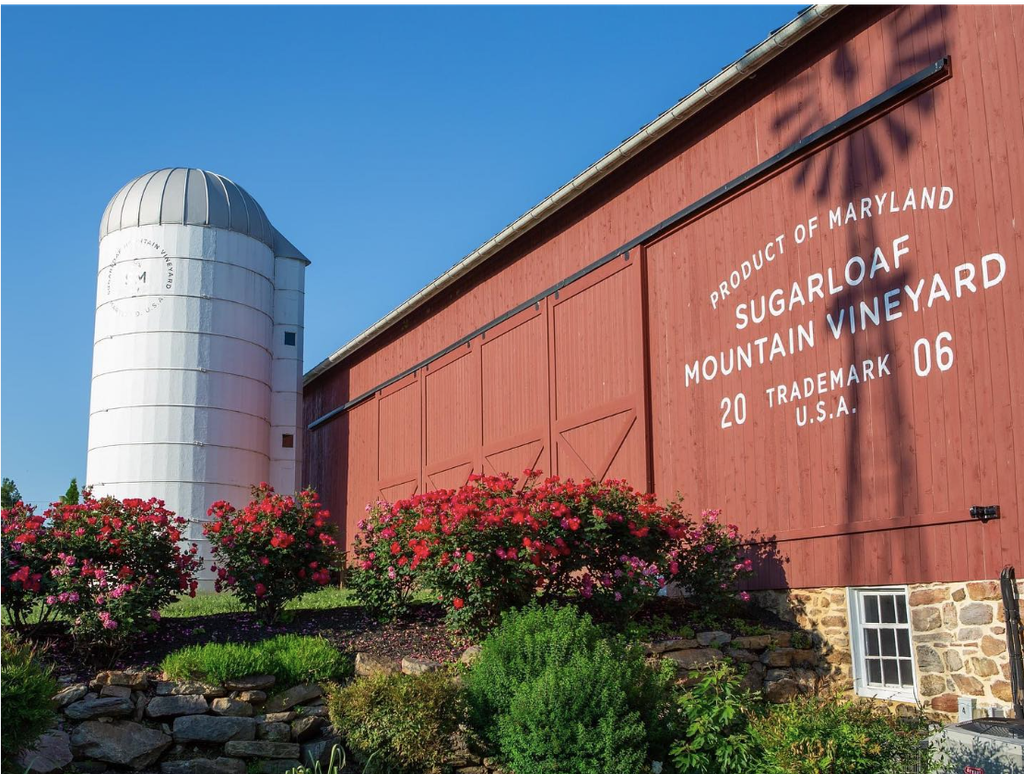
Sugarloaf Mountain Vineyard has been embraced by wine enthusiasts since it opened in 2006 for its award-winning vintages that reflect precision and passion in the science and art of winemaking.
Grown amid the unique microclimate at the base of Sugarloaf Mountain, the winery’s 22 acres of vines are predominantly French vinifera clones grafted on American rootstock and were carefully selected by world-renowned viticulturist Lucie Morton. We currently grow six white and six red varieties.
These vines produce grapes that we hand-pick, cold-soak, cold-ferment, and age in stainless steel or French oak barrels to produce our Bordeaux-inspired reds and crisp whites that continue to be recognized for their uniquely creative flavours and memorable finishes.
Their 22-acre vineyard grows in a unique microclimate at the base of Sugarloaf Mountain. Winemaker, Manolo Gomez, has been making award winning wines from their 6 white and 6 red varieties for years, most recently winning platinum at TEXSOM for their popular, Evoe Red, and gold for their cabernet franc reserve.
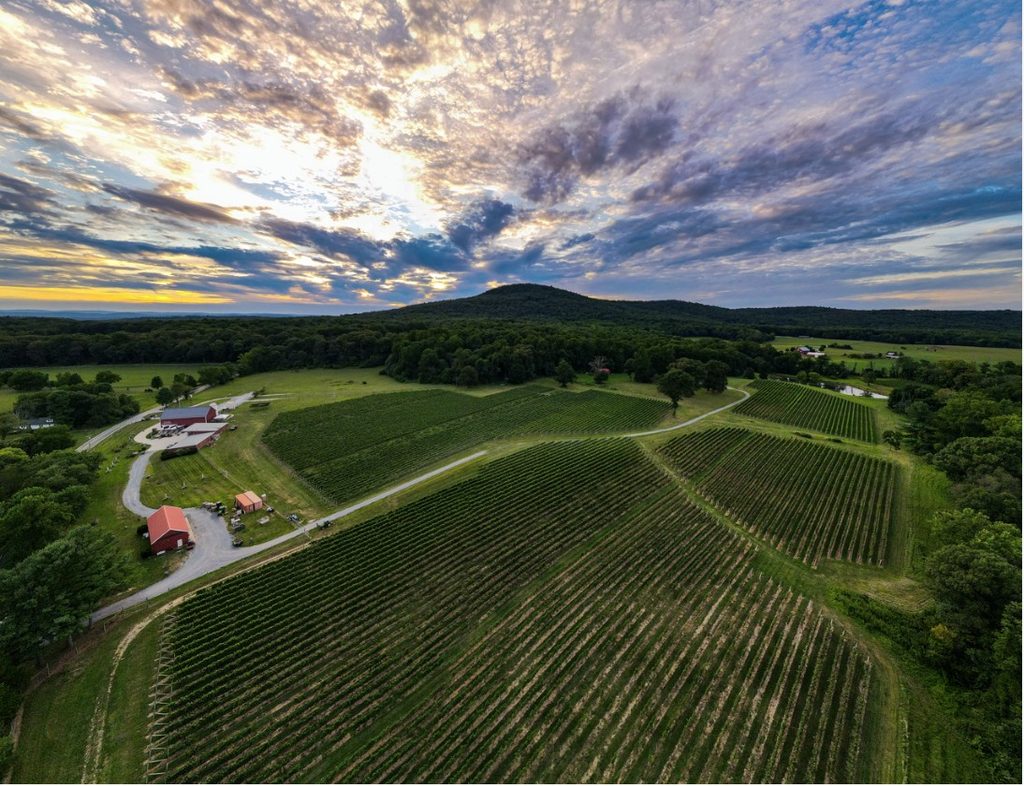
Their Bacchus club offers a list of benefits to their members and over the years we have been big fans of their rose, Circe and Penelope wines.
Our favourite wines this time around were the unoaked chardonnay, Echo and Circe. The unoaked chardonnay is newly released and had great acidity.
It was also floral with melon and peach on the palate.
Echo is a blend of petit manseng and vidal and had spicy, tropical flavours like pineapple, ginger and nutmeg.
The Circe is mostly merlot this vintage and had a lot of black fruit, was medium-bodied and had a lingering, peppery finish.
All told, we had a very enjoyable afternoon visiting Sugar Loaf Mountain, the scenery around the mountain, and the views from it were well worth the short hike to the summit.
The vineyard, although not fully open when we visited is a vary nice, clean, and modern attraction.
When the food and drink outlets open as they are in the summer months, I can imaging that this will be a very popular visitor attraction.
