


Northern Central Railway
As part of travelling and visiting local attractions, we visited the Northern Central Railway at New Freedom, Pennsylvanian.
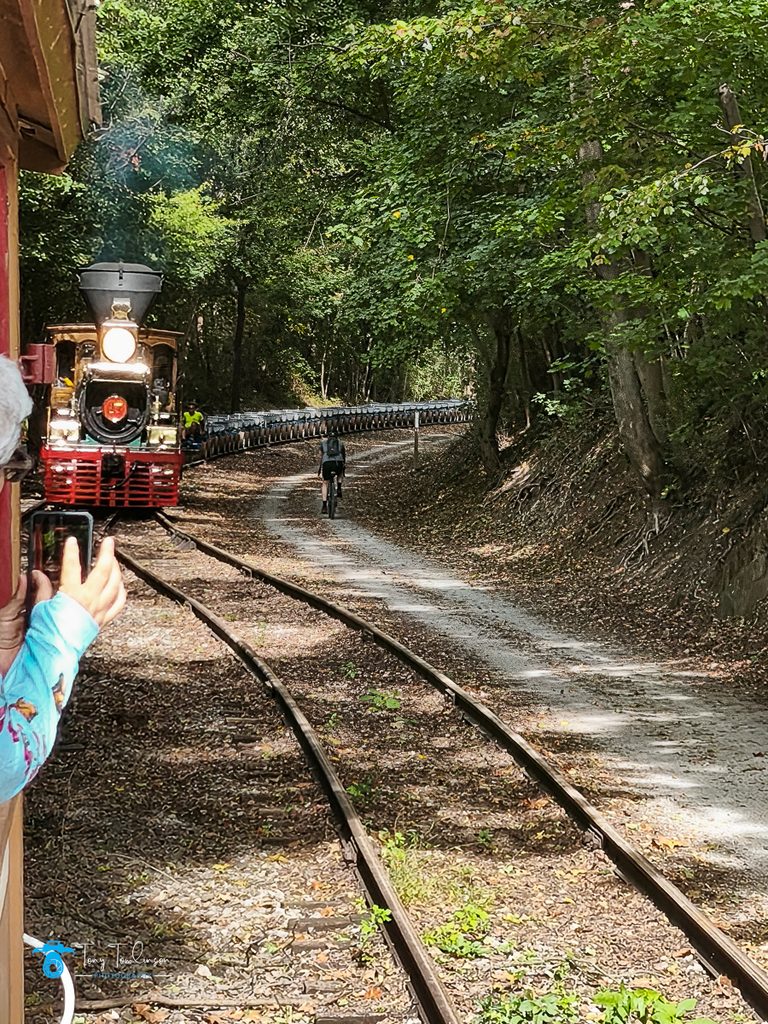
The railway runs a 1890’s replica steam engine, whilst onboard you can purchase food and drinks for your enjoyment along the route.
Founded in 2013, Northern Central Railway of York is a 501 non-profit, educational, and charitable organization located in New Freedom, Pennsylvania.
The historic attraction, with a replica 1860s steam locomotive and a GP9 diesel engine, hosts excursions that educate, entertain, and enlighten individuals of all ages.
Every weekend, guests can partake in great adventures that make time travel possible. They can meet cowboys, presidents, and princesses, enjoy a locally brewed craft beer, learn about local history, and create family memories and traditions at NCR.
The Northern Central Railway isn’t just a scenic route; it’s a historical artery that has shaped the landscape and communities it traverses.
From its inception in the 19th century to its modern-day revival, the Northern Central Railway’s story is one of ambition, innovation, and resilience
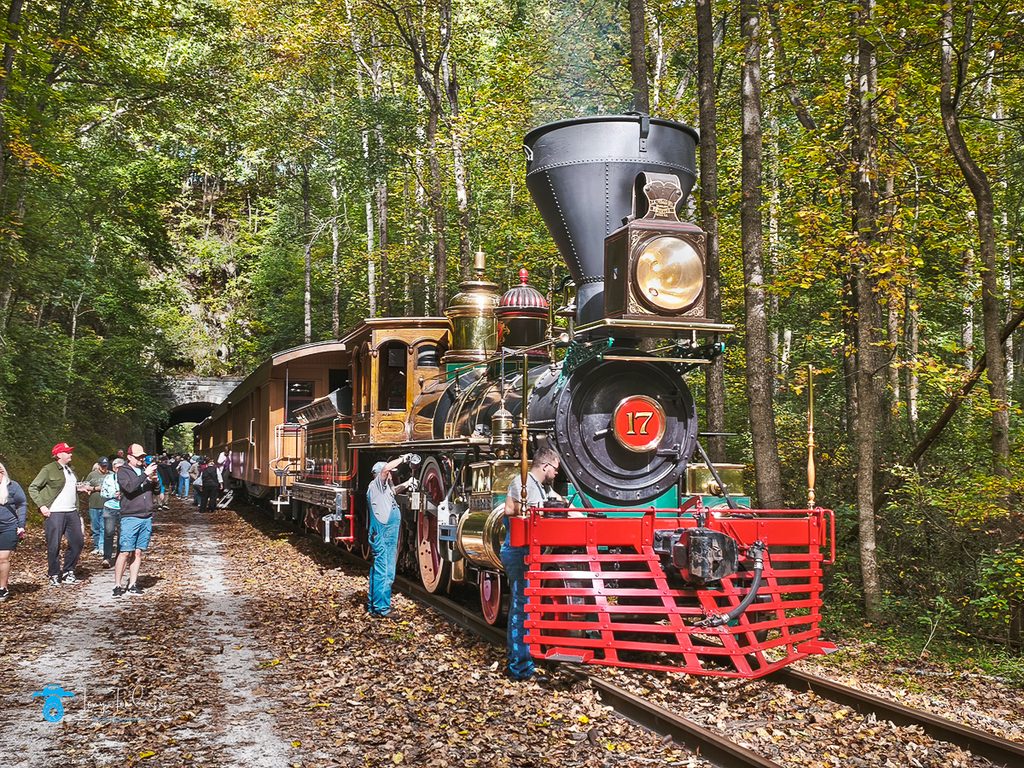
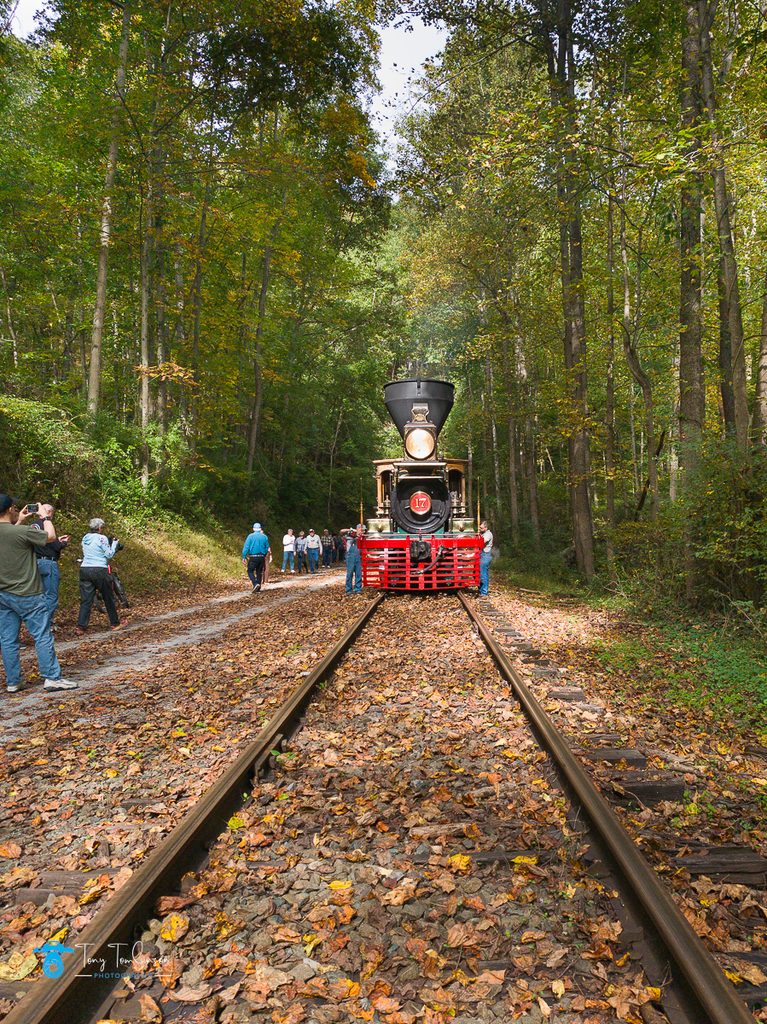
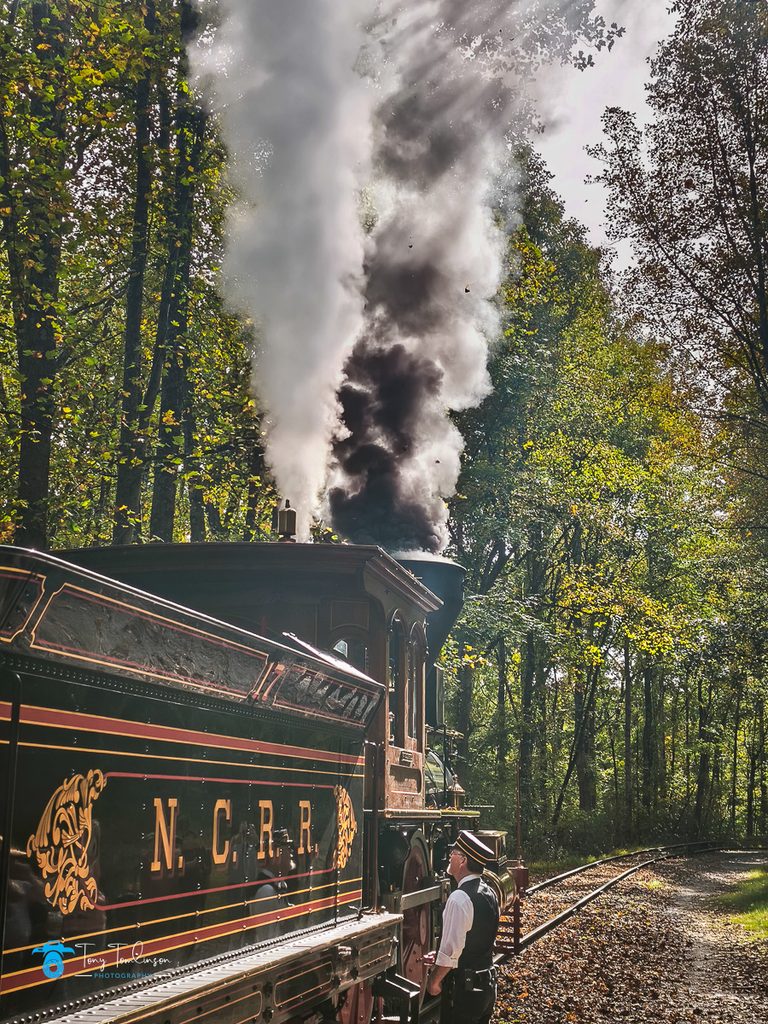
No. 17 “William H. Simpson” Steam Engine
This 1860s replica steam engine is the jewel of Northern Central Railway of York’s train set, crafted by Kloke Locomotive Works in Elgin, Illinois, the No. 17 is the youngest steam engine in the world.
The construction of this showpiece was a long time dream of our co-founder, William Simpson. and it now stands as a reminder to younger generations of the unique Civil War history of our rail line and serves to provide an economic boon for York County, with only 150 steam engines left nationwide, this oil-fired engine captures the beauty and majesty of the early days of American railroading
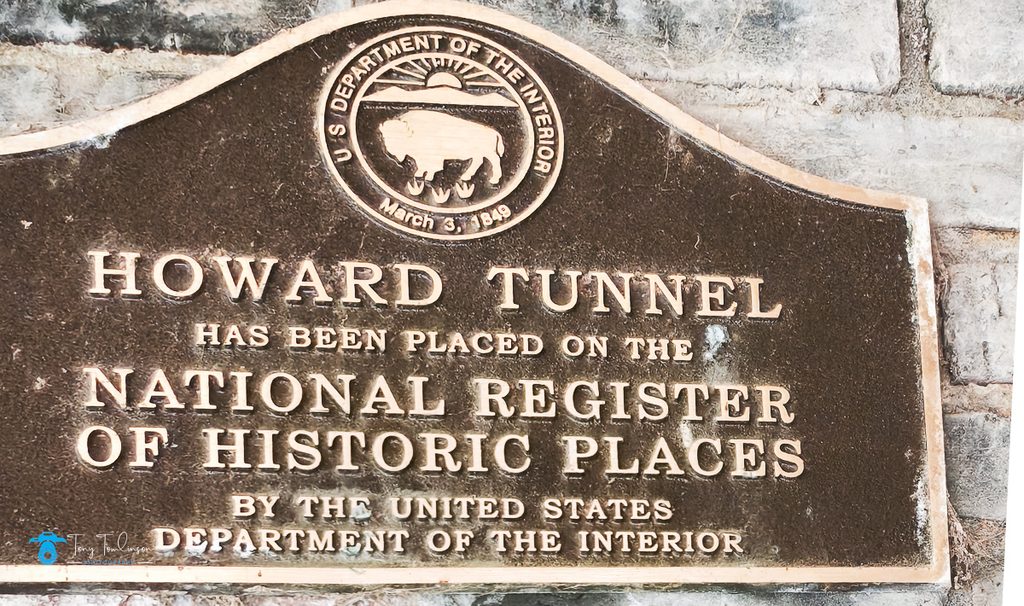
Howard Tunnel
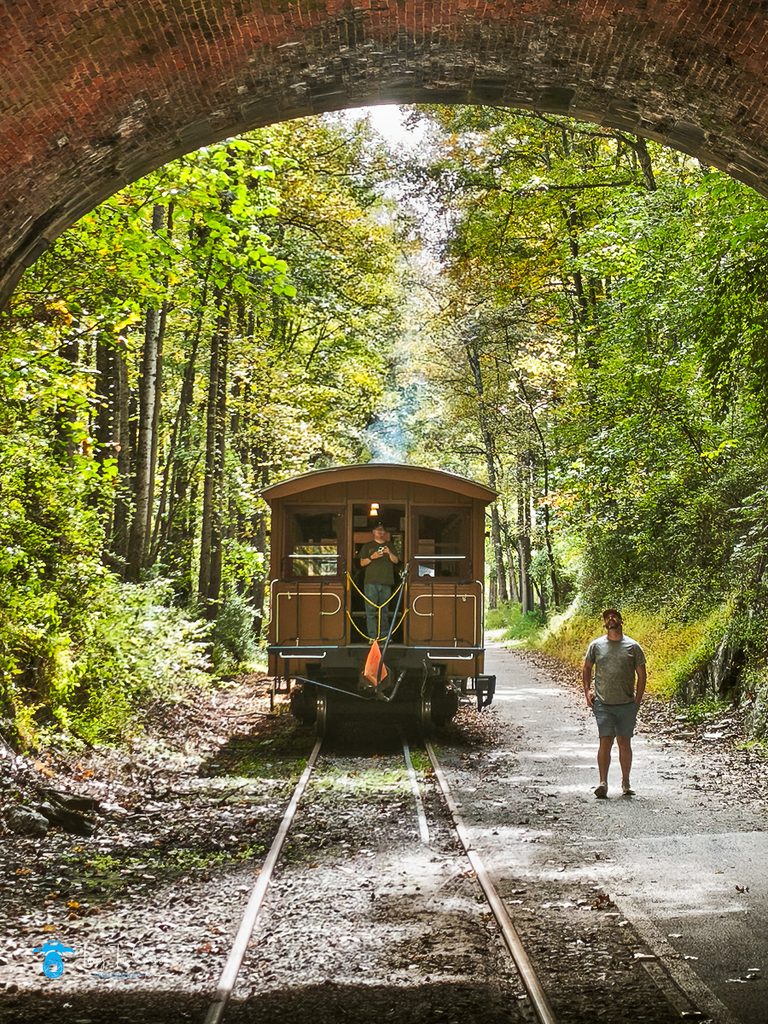
The Howard Tunnel is located near Seven Valleys, Pennsylvania, in operation since 1838, it is the second oldest active rail tunnel in the U.S.
Originally constructed by the York and Maryland Line Railroad, it formed a critical link in the north-south line assembled by the Northern Central Railway.
It is a 275-foot (84 m) long, brick-lined tunnel built between 1836 and 1837 and opened for traffic in 1838.
During the Civil War, the tunnel, then part of the Northern Central Railway system, was a target of Confederate cavalry troops, but was protected by elements of the 20th Pennsylvania state militia.
The seeds of the Northern Central Railway were sown in 1828 with the chartering of the Baltimore & Susquehanna Railroad in Maryland, with the goal of connecting Baltimore to York Haven.
Pennsylvania followed suit with the charting of the York and Maryland Line Railroad Company in 1832, aiming to extend the line southward from York.
The Wrightsville, York, & Gettysburg Railroad was chartered in 1837.
In 1838, the York and Maryland Line Railroad, under the operation of the Baltimore & Susquehanna Railroad, reached York, marking a significant milestone.
The York and Cumberland Railroad was incorporated in 1846, with plans to build northward, and the Susquehanna Railroad in 1851to connect with other major lines.
In 1854, a pivotal moment arrived: the formation of the Northern Central Railway through the consolidation of these pioneering railroads.
The Northern Central Railway officially took over operations on January 1, 1855, setting the stage for decades of transformative transportation.
The Northern Central Railway quickly became a vital transportation link. In 1857, James Buchanan became the first president-elect or president to ride the NCR, traveling from York to Baltimore en route to his inauguration.
During the Civil War, the Northern Central Railway played a crucial role, in 1863, Confederate forces destroyed over 24 railroad bridges in York County during the Gettysburg Campaign.
Later that year, President Abraham Lincoln travelled via the Northern Central Railway to Hanover Junction and then the Hanover Branch Railroad to Gettysburg to deliver his iconic Gettysburg Address.
In 1865, the Northern Central Railway carried Lincoln’s funeral train, stopping in York on its solemn journey to Harrisburg.
The Pennsylvania Railroad built the New Freedom station after the Stewartstown Railroad was completed.
In 1914 the Pennsylvania Railroad Company leased the Northern Central Railway Company for 999 years, solidifying its control over the line.
The 20th century brought further changes, in 1923 Warren G. Harding’s funeral train travelled over the Northern Central Railway.
In 1957, the Pennsylvania Railroad reduced the line to a single track between Baltimore and York. In 1968, the Pennsylvania Railroad and the New York Central Railroad merged to form Penn Central, a move that would have significant repercussions.
In 1970, Penn Central declared bankruptcy, the largest in American history at the time. In 1971, Amtrak took over intercity passenger operations, ending the long-standing Baltimore-Harrisburg-Buffalo passenger service.
The following year 1972, Tropical Storm Agnes caused severe damage to the Northern Central Railway’s right-of-way and bridges.
In 1972 Penn Central filed for abandonment of the destroyed section between Cockeysville, MD, and the Mason-Dixon Line, but through the efforts of the Stewartstown Railroad, the northern portion was saved.
In 1973 the Pennsylvania Department of Transportation purchased the right-of-way from the Mason-Dixon Line north to York.
In 1975 the ICC approved the abandonment of the section from Cockeysville, MD, to the PA state line. Rail was removed from that section in late 1975 and early 1976
The Northern Central Railway’s history is a rich tapestry of innovation, challenges, and community spirit. Today, the Northern Central Railway’s legacy lives on through the efforts of those who have preserved its history and transformed it into a beloved recreational and historical asset.
