
My experience of changing my Camera System.

tony-tomlinson-photography, fuji x-h2

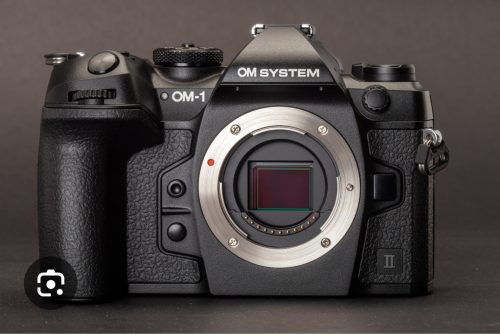
Previously I had an Olympus OM 1 MK 2 camera along with a set of lenses that covered all my needs, this is a very capable camera with its unique compensational features, and it being very well protected against the weather.
tony-tomlinson-photography, om-1-kmII-camera

Why Change?

The OM1 never let me down, it was a very compact size, fully weather sealed, and was easy to use, so why change you may ask!

The main reason for changing was that the sensor of the OM1 was a 20 million pixel size, this produced very good quality images, but on a couple of occasions I printed some A2 sized prints, where I found some quality issues.

I am not so naive as to blame these quality issues only on the sensor size, many other parameters could be responsible for these.

The bottom line is that I made the decision to change system, but what camera to switch too.

What camera system did I change too?

After many hours researching what camera’s were available in the Micro 4/3rds or a  A-PS-C sensor size.

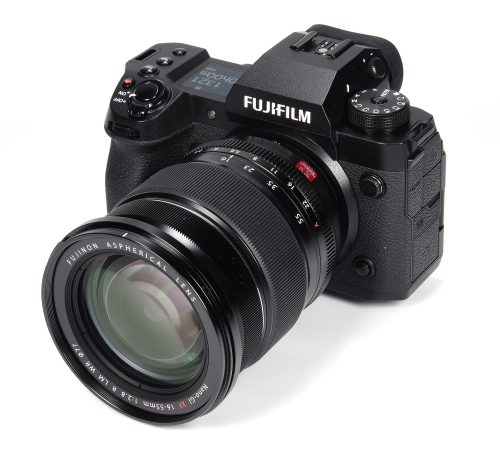
I decided that my options would be the Fujifilm X-T5 and the Fujifilm X-H2, the basic difference being that the H2 had controls similar to what I was use to, and the T5 had a more historic layout with dials to control most of the camera settings.
tony-tomlinson-photography, fuji x-h2

Using the new Fuji X-H2 Camera

I went with the X-H2 camera, and also set of lenses which would cover my needs, the camera is well made, compact and is weather sealed, but no to the same degree of the OM1.

I have had the camera for 5 months now and used it extensively, I even used it on a week’s photography on the Isle of Harris and Lewis in very challenging conditions (more on this later)

The positives of the camera are that it is easy to use, with all the controls falling easy to hand, and the camera produces great quality images, and it has a 40 million pixel sensor.

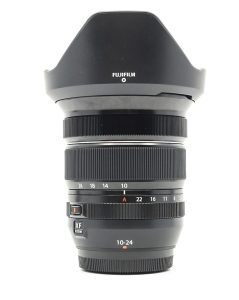
The four lenses that I purchased easily cover all my needs, these being, the  Fuji XF 10 to 24mm f4 zoom,Fujinon-10-24mm-f4-R-OIS-WR-Lens, tony-tomlinson-photography
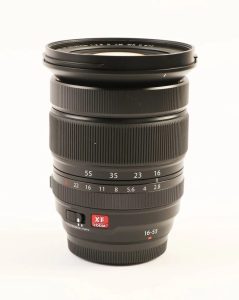
Fuji XF 16 – 55 f2.5 zoom,Fujinon-16-55mm-f2.8-R-LM-WR-II-Lens, tony-tomlinson-photography

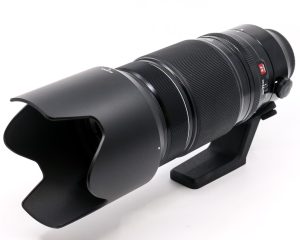
Fuji 50 – 140 f2.8 zoom,Fujinon-50-140mm-f2.8-R-LM-OIS-WR-Lens, tony-tomlinson-photography

and the

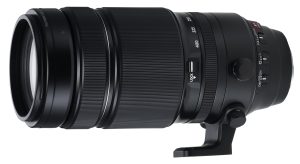
Fuji 100 – 400 f4.5 5.6 zoom,Fujifilm-XF-100-400mm-f-4.5-5.6-R- LM-OIS-WR-Lens, tony-tomlinson-photography

I also purchased a

Fuji 1.4 teleconverter.Fujifilm-XF-1.4X-TC-WR-Teleconverter, tony-tomlinson-photography

Some issues have arisen when using the X-H2 camera, mainly due to my muscle memory from my previous camera’s, these being that the lens focus zoom turns the opposite direction, and the lens release button is on the opposite side of the camera.

I also found the Fujifilm camera menu system a tad long-winded and not as easy to use as the OM-1, however this has been negated by me setting up the “My Menu” and the “Quick Access” menus, to such an extent that I rarely need to dig into the menu section of the software.

The camera has a 40 mega pixel sensor which is a significant step up from the OM-1 and also has seven custom settings which I have found to be a brilliant option.

I use my camera for a wide selection of different genres, landscapes, family portraiture, bird and wildlife photography. The custom functions have been a godsend for this variety of photography, I have simply aligned a custom function to each of the different subjects.

The X-H2 focusing is not as quick as the OM-1 with regards to shooting birds and wildlife, but it is not so poor as to cause me to miss loads of shots in these genres.

For all other situations, I have found the Fuji autofocus system to be perfectly adequate.

Concerns.

As I eluded too earlier, I took the X-H2 camera to the Isle of Harris and Lewis for a week’s photography, where the weather conditions were very challenging.
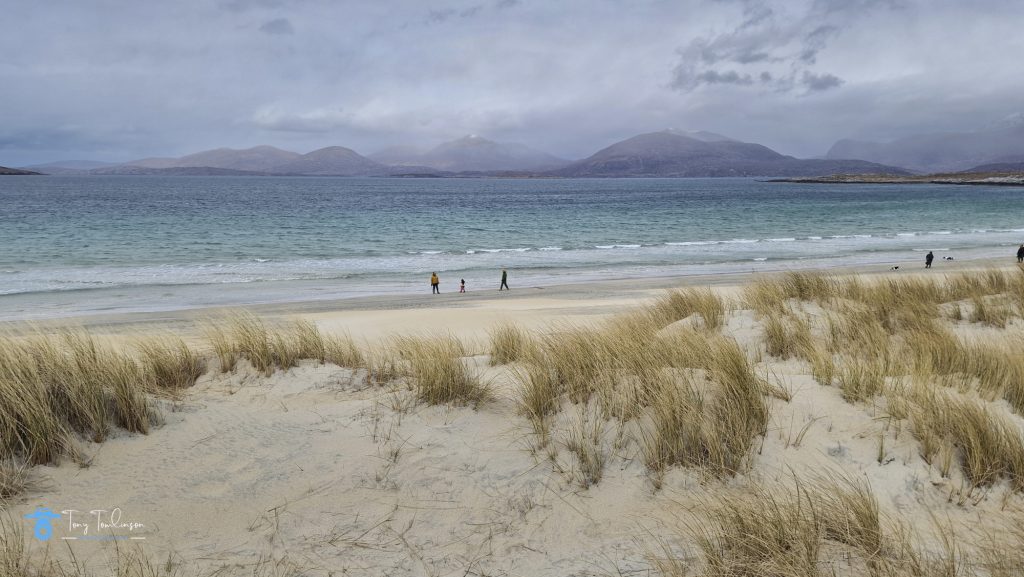
tony-tomlinson-photography, isle-of-Harris-and-Lewis, Luskentyre-Beach, Outer-Hebrides, spring, seascape,
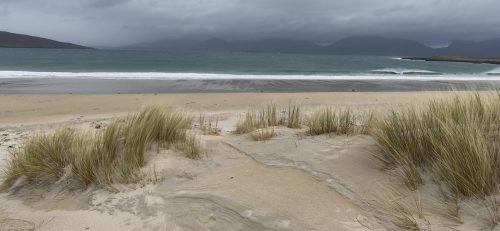
Luskentyre Beach on the Isle of Harris.

One day we were on the coast taking images of the huge breaking waves and the intricate detail that could be found on the beach, it was raining heavily all of the time.

I was shooting with my back to the wind and rain to reduce the weather hitting the camera head on, and to help reduce the number of times that I had to clean the lenses.

To start with everything was fine, but after an hour or so the rear screen went off, it just went blank, so I had to use the viewfinder for the remainder of the session.

Once we had a break, I spoke to the other photographers in our group, where one suggested that water may have collected on the eye sensor on the eyepiece, thus switching of the rear screen.

After checking and finding a large droplet of water on the sensor, I thought that the problem was sorted.

So, back to some more photography, in the wet, and windy conditions, where again after a period of time, the rear screen went off, I checked the sensor only to find it was dry, getting frustrated with this problem, I carried on doing the best I could.

Shortly after this the viewfinder went off, and the rear screen becoming temperamental, with it dropping off, then coming back online.

A while later, whilst trying to work with this situation, I noticed condensation inside the viewfinder, this set my mind into overdrive, what if the camera is knackered, what will I use for the rest of the week, why did I change the camera etc.

Upon returning to the mini-bus I spoke to Dean who was running the course, and who has used Fuji gear for a while, he said that sometimes he encounters similar issues, but that the camera always comes goo in the end.

As you can imagine, this did not fill me with confidence, why, oh why did I not stick with the OM-1 which had never let me down!

The camera worked fine for the rest of the day, but in my mind, I wanted to get back to our base and take a good luck at the camera.

It was only when we got back to base at Otter Cottage  and Corncrake Cottage, and I opened my camera bag, until this time, I did not realise how wet my equipment was, my bag was sodden, and my drying cloths soaking wet.

I was very keen to look at the camera viewfinder to see how bad the condensation was, and surprise, surprise, it was not there.

I dried out my camera bag and all my equipment and cleaned everywhere I could, and left everything laid out to dry overnight.

The next day the camera performed flawlessly, even in the light rain that we encountered, this helped lower my anxiety levels, but that doubt was always at the back of my mind, would the camera fail again?

During the remainder of the trip, we encountered very wet and windy conditions, but these issues never returned.

Conclusion.

I have experienced this problem, but it has not returned (touch wood) but I still have this nagging doubt in my mind that the camera might fail again.

I would be interesting to here if anyone else has encountered similar issues with the Fuji X-H2 camera?

I still have 8 months of the manufacturers guarantee remaining on the camera, this provides some piece if mind to me.

Having said that, the camera has produced many high-quality images, which have been taken in all weather conditions, without any issues, this is slowly returning my confidence in the camera.
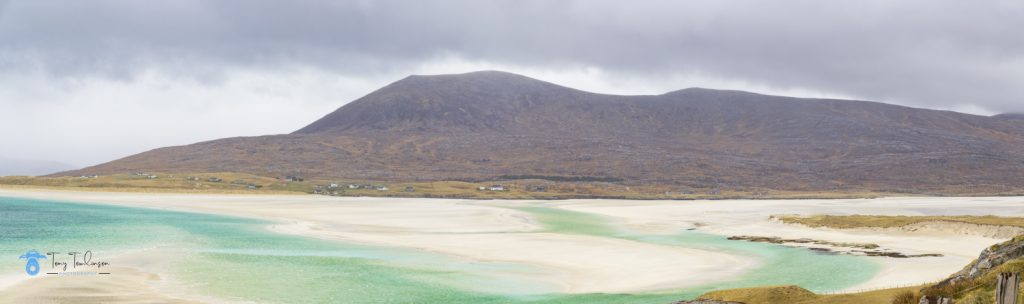
tony-tomlinson-photography, isle-of-Harris-and-Lewis, Seilebost-Beach, Outer-Hebrides, spring, seascape,
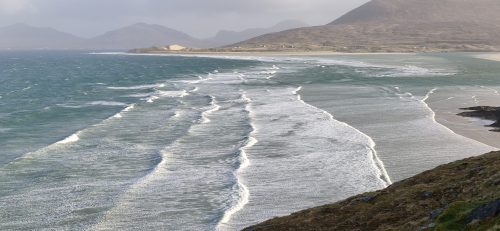
Seilebost-Beach on the Isle of Harris.

Maybe the conditions we encountered on the beach at Harris were more severe than I realised at the time?

Something to keep my eye on, and hope it does not reoccur, thank you for finding the time to read this article, new gear is not always a bed of roses!!
Our visit to the Isle of Harris and Lewis: Part 1

tony-tomlinson-photography-Luskentyre-beach, Isle-of-Harris-and-Lewis

After many months in the planning stage, we finally got to visit the magical Isles of Harris and Lewis., because of the distance and travel time, we decided to break the journey into two days each way, this would allow a more relaxed approach to the journey and provide some respite after sitting in a car for many hours.

We decided to stay at the Caledonian Hotel at Fort William for an overnight stay on the outward and return journey. A pleasant experience this was, the hotel staff wherever so friendly and helpful, the food was tasty, and the room was clean, what more could you ask!

An early rise the next morning, breakfast was devoured, then we had a leisurely drive over to the Isle of Skye from where we were to catch the ferry over to the Isle of Harris.

We duly arrived in plenty of time to board the ferry, with plenty of fellow passengers lined up on the quayside waiting for the ferry to arrive.

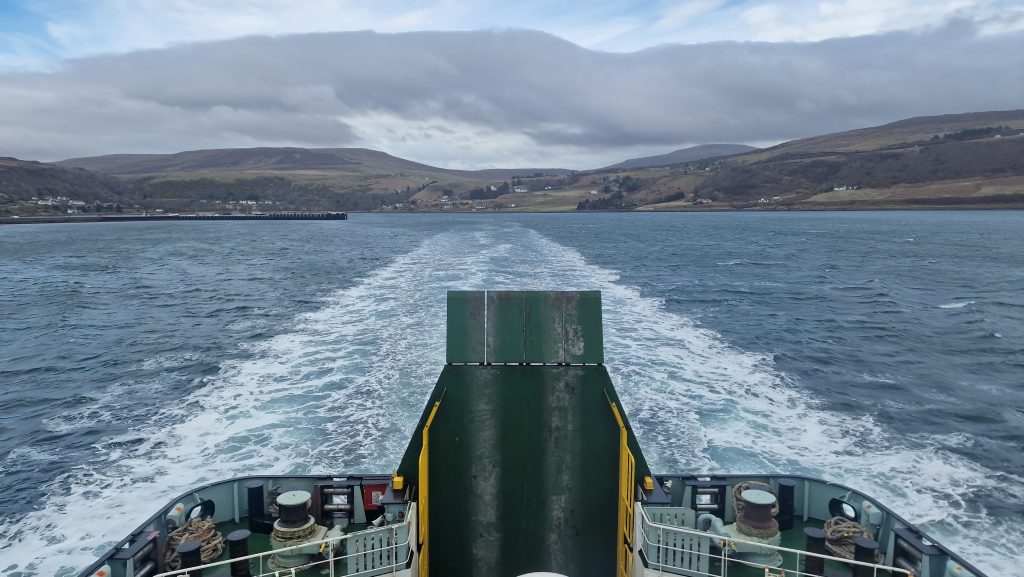
The Uig to Tarbert Ferry Leaves Uig.

We were soon parked on the ferry and sought a suitable viewing position up on the higher decks of the ship. Once out of the bay of Uig, the sea became a little shall we say, up and down, and left to right. Neither of us being the best sea-going passengers, we decided to look for a suitable seat and try and enjoy the journey. Easier said than done, but we found being at the back of the boat helped us, so we settled down for the remainder of the journey here. We were soon being called to return to our cars, with disembarkation soon afterwards. Once off the harbour we soon found our home for the next 6 days, this being the Harris Hotel, which was located not 5 minutes form the harbour.

After a goodnights sleep and an excellent breakfast, my morning was going to comprise of a scouting session to the Isle of Lewis to try and find some of the famous old houses that are scattered around the island.

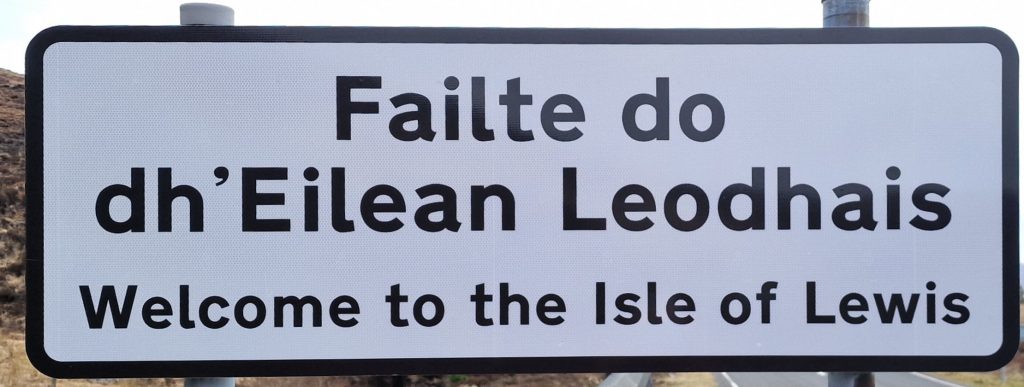
tony-tomlinson-photography, Isle-of-Lewis,
Isle of Lewis Sign Post
tony-tomlinson-photography, Isle-of Harris-and-Lewis,
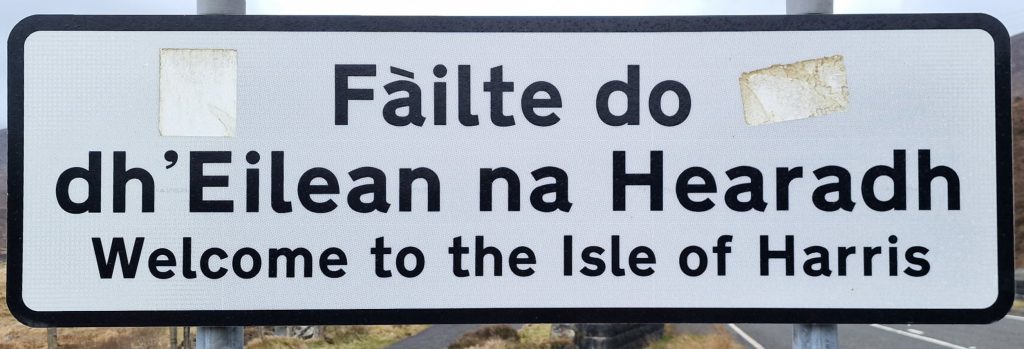
Isle of Harris Sign Post

I travelled up as far as Crosbost, keeping an eye out of these remarkable buildings, having found several, I took a look around them, but being courteous,  I did not climb over any fences in respect to the land owners, nor did I enter any of the buildings.

The weather was what it was, overcast rain and strong winds, this did not provide any interesting light, but you have to take what you are given form the weather gods.

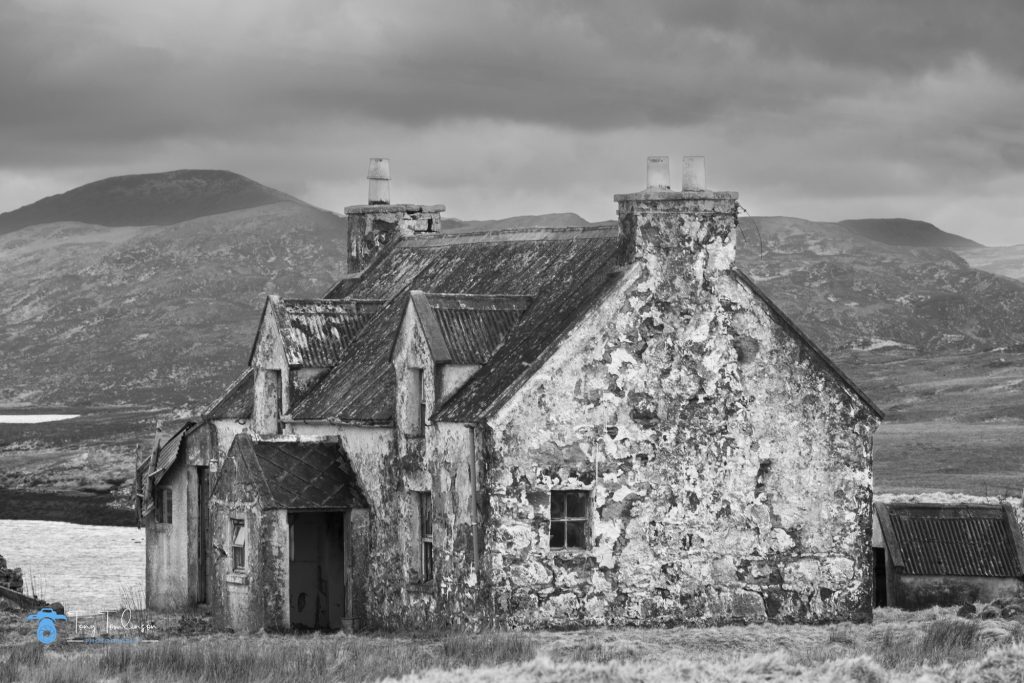
tony-tomlinson-photography, abandoned-house, isle-of Harris-and-Lewis
Isle of Lewis Abandoned House.

I returned to the Hotel early afternoon to collect Mrs Tomlinson and head to the place where everyone visits, of course it would be Luskentyre, a place that I have viewed many, many photos and watched many videos.

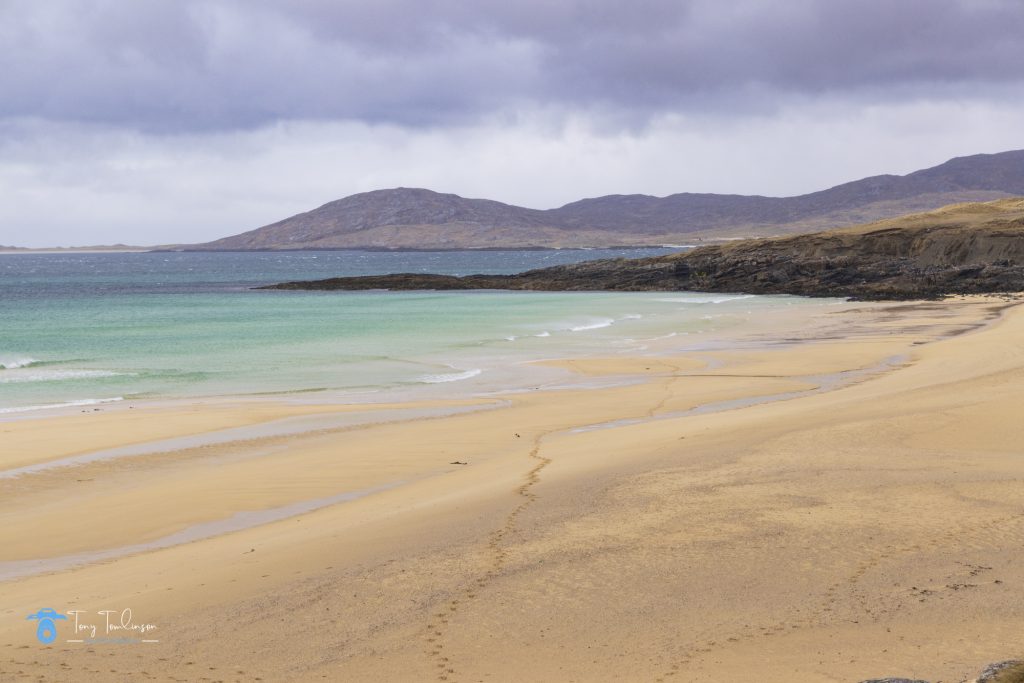
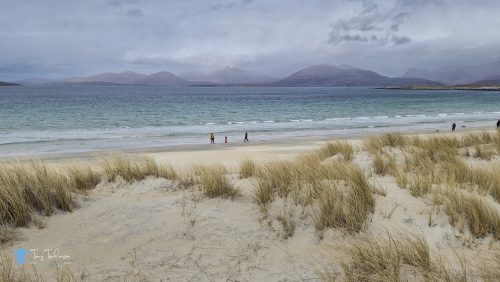
As we headed along the A589, we got our first view of the gorgeous coloured sand and the turquoise coloured waters, what a sight.

We turned off the main road to head for the car parking area, being for-warned that it is not large and soon fills up.

Surprisingly, there were only a couple of vehicles parked when we arrived, so it was on with the wellies, I grabbed the camera bag and off we set. As we traversed the last sand dune, the sight that greeted us was, well, simply stunning, the tide was rescinding which had uncovered mile after mile of unspoiled golden sands.

Even with a strong prevailing wind, rain in the air, and the mountains of Lewis being hidden in the cloud, I just stood for minutes taking in the amazing view that was in front of me.

There were only a few other people on the beach with us, so it was straightforward to begin scurrying around to find some reasonable shots, and surprise, surprise, its just like everyone says, you struggle with composures due to the vastness of the area.

I slowly wandered along the beach, walking up to, and into the dunes as I went. The seas was pretty flat, with small sized waves, this meant that trying to capture any crashing waves was out of the question.

Once the rain began to fall heavily it was time to vacate the area and get back to the car reasonably dry.

From the car park it was time to head back to the hotel for a refreshing drink and some food.

tony-tomlinson-photography-Luskentyre-beach, Isle-of-Harris-and-Lewis
Luskentyre Beach

Day two began with a planned drive around the shore line of Harris, this being recommended by one of the ladies who was working in the Harris Hotel, she even provided us with a few stop off places to visit.

So first stop was Seilbost Beach, and OMG what a view looking towards Luskentyre, car stopped and camera set up immediately, it was at this point that I realised the strength of the wind, It was lifting the tripod, even with the camera on it. So I had to maneuver the tripod to a area where the wind was not so strong and try and fit compositions around this.

tony-tomlinson-photography, Seilbost-Beach, Isle-of-Harris-and-Lewis
Seilbost Beach

From here we literally drove another 5 minutes along the A859 when we encountered Nisabost Beach, another 30/40 minutes were spent here, admiring the view and capturing images of outstanding beauty that were in front of me.

tony-tomlinson-photography, Nisabost-Beach, Isle-of-Harris-and-Lewis
Footsteps off Nisabost Beach

As we drove the beaches just kept coming, Borve Lodge beach, Traigh Mhor beach, Sgarasta Mhor beach, this was a huge expanse of sand, beautiful with hardly a sole on it, simply breathtaking.

Onwards and past the Northton salt marshes, unfortunately we had spent so much time at the beaches that we could not stop here, as lovely as it is.

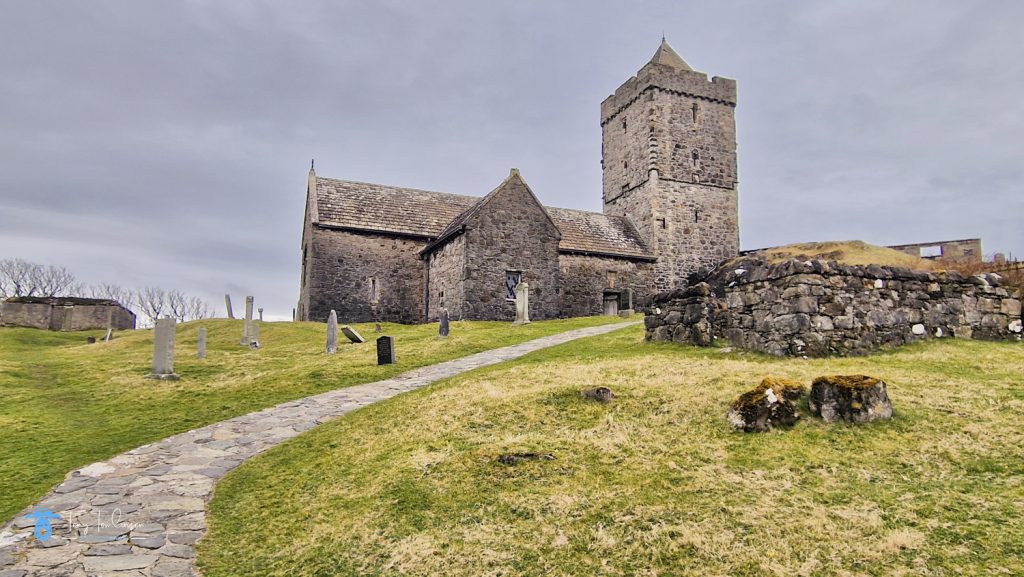
We soon found the sign post for St Clements Church, this is where the lady in the Harris Hotel said we must visit as it is full of history and is open to visitors.

We soon parked the car, but I left the camera in the car and planned to use the phone of my small compact digital camera to record any images in the building.

We took a walk around the church  and observed the many information boards that were located around the building, these provided fascinating information about the Church through the ages.

We then went inside, and what a lovely place it was, ancient brickwork with the solid wooden roof, with many historical stones placed  around its perimeter. All very interesting and enjoyable visit which lasted for well over an hour.

tony-tomlinson-photography, St-Clements-Church, Isle-of-Harris-and-Lewis
St Clements Church

From St Clements Church we followed the Golden Road along the east coast of Harris, where we were on the lookout for wildlife, Seals, dolphins, Eagles etc.

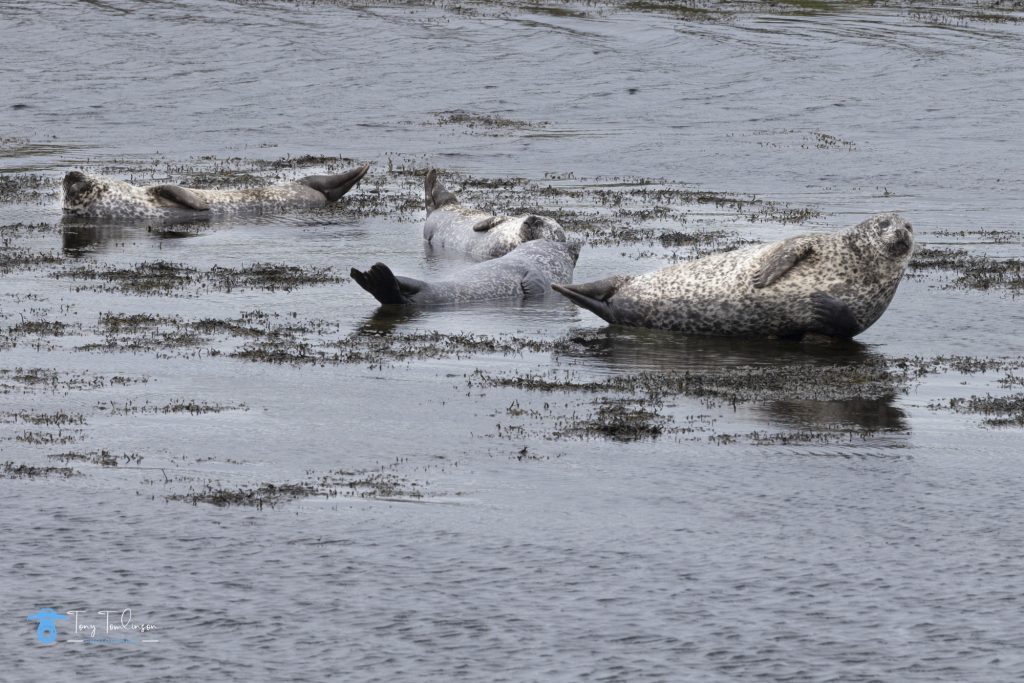
We didn’t travel far when we seen our first sight of seals basking on the rocks, and like the proverbial bus, you see one, then you see many more, nether the less, they are a lovely creature, especially when in their natural habitat.

Unfortunately, we didn’t see any dolphins, or eagles, but the journey along the Golden Road was a lovely experience, and thoroughly enjoyed.

tony-tomlinson-photography, seals-on-the-rocks, Isle-of-Harris-and-Lewis,
Seal Lions

Thus, ends part one of our trip to Harris and Lewis, part two will follow shortly, we hope you have enjoyed our recollection of our first few days on the islands.